
Discovering the secrets to food shopping on a budget has become an essential skill for every household looking to eat well without spending a fortune. With grocery prices soaring and family budgets tightening, smart strategies are needed now more than ever. Whether you’re a student, a busy parent, or aiming to save for big dreams, learning these 23 Genius Food Shopping on a Budget Hacks will help you transform your grocery trips, save substantial money, and still enjoy healthy, delicious meals. This guide offers practical, time-tested advice and innovative solutions to make every dollar count—empowering you to take control of your food expenses and financial well-being. Let’s dive in and change the way you shop for good.
Why Food Shopping on a Budget Matters
Food shopping is often the second-largest regular expense for most households after housing. Many people overspend on groceries due to a lack of planning, impulse buys, or simply not knowing the best cost-cutting strategies. Mastering food shopping on a budget can help free up extra cash for savings, debt repayment, or even fun activities. More importantly, it can also lead to healthier eating habits and reduced food waste. With mindful shopping, you not only save money but also help the planet by consuming more responsibly.
The Real Cost of Groceries—And Savings Opportunities
Americans spend thousands of dollars each year at the grocery store. But plenty of that cost is unnecessary—think unused produce, pre-packaged snacks, or take-out meals grabbed due to poor planning. Adopting smart shopping habits and utilizing proven hacks can significantly reduce your monthly grocery bill without compromising nutrition or taste. Let’s explore the significant savings you can unlock, even on a tight budget.

Your Ultimate Guide: 23 Genius Food Shopping on a Budget Hacks
Here are 23 actionable hacks for food shopping on a budget. Integrate these into your routine, and you’ll see real results.
1. Always Shop with a Meal Plan
Start with a weekly or biweekly meal plan. This eliminates impulse buying and ensures you purchase only what you need. Use what’s on sale and incorporate versatile ingredients across multiple meals. For more on meal planning, check out the Harvard T.H. Chan School of Public Health’s Meal Planning tips.
2. Create and Stick to a Shopping List
Once your meals are set, list every ingredient. Don’t stray from the list in-store. Apps like AnyList or even a simple notepad can keep you organized and curb unplanned, usually expensive, purchases.
3. Embrace Store Loyalty Programs
Most supermarkets offer free loyalty programs giving you access to digital coupons, personalized deals, and specials. Don’t forget to scan your membership at checkout for instant savings.

4. Buy Generic or Store Brands
Store brands nearly always cost less and often come from the same factories as name brands. Test generic cereals, snacks, and pantry staples—you’ll rarely notice the difference in quality or flavor.
5. Shop in Season and Local
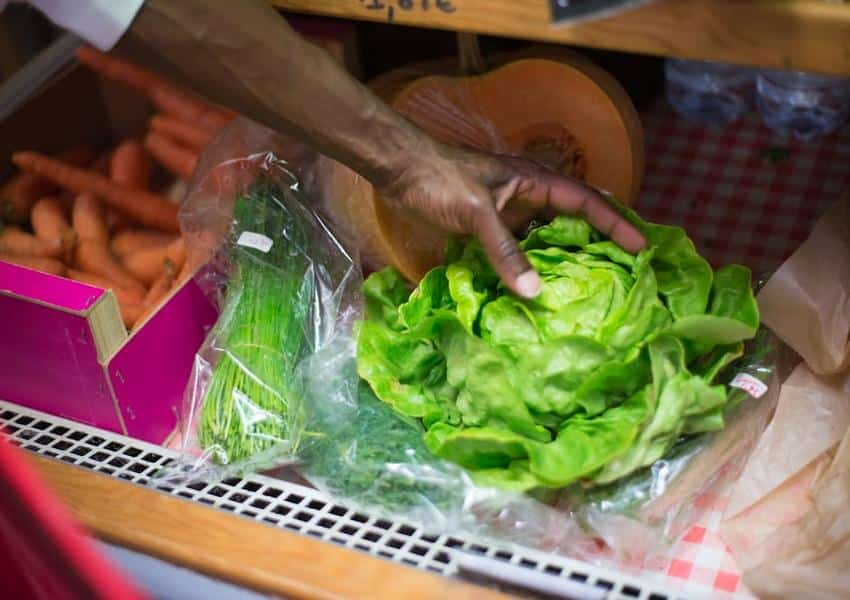
Purchasing local and seasonal fruits and vegetables is generally less expensive and fresher. Visit farmer’s markets or shop produce when it’s in peak harvest—the savings and flavor will surprise you.
6. Stock Up on Staples During Sales
When rice, pasta, canned beans, or frozen vegetables are discounted, buy enough to last several weeks. Non-perishable or long-lasting items are cheapest when you purchase in bulk during promotions.
7. Compare Per-Unit Prices
Don’t fall for bigger is always cheaper. Compare the price per ounce or unit, typically found on the shelf tag, to spot the real savings. Sometimes, a smaller package is the better deal.
8. Limit Processed and Prepared Foods
Prepared meals, snacks, and single-serve packages come with significant markups. Prepare your own snacks, cut produce at home, and cook from scratch when possible to trim your grocery bill.
9. Use Cashback and Rebate Apps
Apps like Ibotta, Checkout 51, and Fetch Rewards reward you with cashback or points for scanning receipts or buying specific products. These small digital rebates add up over time.
10. Buy in Bulk (But Wisely)
Warehouse clubs and bulk bins can save you money—if you’ll use all of what you buy before it expires. Choose staple items, like oats or dried beans, to maximize value from bulk purchasing.
11. Cut Back on Meat Purchases
Meat can be one of the priciest ingredients on your shopping list. Incorporate meatless meals and stretch your proteins by bulking out dishes with beans, lentils, or grains. Learn even more on how to economize on animal protein at how to save money on meat.
12. Avoid Shopping When Hungry or Rushed
Hungry shoppers tend to buy more—and often unhealthy—food impulsively. Shop after a meal or snack, and give yourself time to make thoughtful choices.
13. Rethink Your Protein Sources
Eggs, beans, tofu, and canned fish are super affordable alternatives to pricier meats. Swapping even a couple of meals a week to these proteins can reduce your overall bill.
14. Use a Price Book or Grocery Tracker
Track the usual prices for your most-purchased items at different stores. This helps you spot real deals, avoid overpaying, and know exactly when to stock up.
15. Cook and Freeze in Batches
Batch cooking saves time and money by allowing you to buy in larger, cheaper quantities and avoid costly take-out on busy days. Soups, stews, and casseroles freeze especially well.
16. Pay Attention to Shelf Placement
Grocery stores place premium, expensive products at eye level. Look on higher or lower shelves for better deals and store brands.
17. Reduce Food Waste
Plan meals around what you already have, use leftovers creatively, and label freezer items with dates. Reducing food waste can save hundreds yearly, according to the EPA.
18. Shop Multiple Stores for the Best Prices
No one store has the best deals on everything. If it’s convenient, alternate between supermarkets, discount grocers, and local markets to get maximum savings.
19. Try Discount Grocers and Day-Old Sections
Stores like Aldi, Lidl, Grocery Outlet, or local dollar stores often undercut traditional supermarket pricing. Also, check day-old bakery and markdown meat sections for deep discounts.
20. Opt for Frozen Over Fresh When Possible
Frozen fruits, vegetables, and some proteins are as nutritious as fresh and often cost less, especially out of season. Stock up on frozen staples to increase flexibility and reduce waste.
21. Make Your Own Convenience Foods
Pre-cut produce, shredded cheese, and pre-cooked grains are more expensive. Prep your own snacks and basic ingredients in advance for a fraction of the cost.
22. Use Coupons Smartly
Clip digital or paper coupons for products you already planned to buy. Don’t purchase items you don’t need just because you have a coupon. Combine coupons with sales for maximum savings. Check out sites like Coupons.com for updated deals.
23. Stay Flexible with Your Menu
If you find an incredible deal on a type of produce or protein, swap it into your meal plan for the week. Being adaptable lets you take full advantage of sales and markdowns.
Healthy Eating Can Be Budget-Friendly
Many believe that eating healthy costs more, but with mindful shopping, this is far from true. Focus on whole foods: grains, beans, frozen veggies, and simple proteins like eggs and chicken thighs. For further advice, read our detailed post on how to eat healthy on a budget.
Maximize Your Savings with These Bonus Tips
- Join community-supported agriculture (CSA) programs to get fresh produce directly from farmers at reduced costs.
- Grow your own herbs and vegetables, even if it’s just a windowsill garden. A small investment can yield significant savings with time.
- Consider online grocery stores or bulk retailers like Boxed, Thrive Market, or Amazon for select pantry staples.
- If shopping for a family, involve everyone—make it a challenge to find and cook budget-friendly meals together.
Make Your Budget Work for You
Budgeting is key. Set a weekly grocery limit based on your income and family size. Track your spending and tweak your approach as needed. Check out our popular guide on saving money on groceries for even more insight.
Frequently Asked Questions About Food Shopping on a Budget
Is it possible to eat healthy while food shopping on a budget?
Absolutely. Focus on low-cost, high-nutrition foods like beans, whole grains, frozen produce, and eggs. Plan meals, avoid processed foods, and cook at home as much as possible.
How much can I realistically save with these hacks?
Most families see savings of 20–50% on their grocery bills by using these strategies routinely. That can easily add up to hundreds or even thousands per year, depending on your household size and previous spending habits.
Where can I find legitimate coupons and rebate offers?
Reputable sites include Coupons.com, Ibotta, and Fetch Rewards. Download their apps and check frequently for product-specific and store-wide deals.
Should I avoid all organic foods on a budget?
Not necessarily! Buy organic for the “dirty dozen” foods most likely to have pesticide residue and choose conventional for “clean fifteen.” Prioritize your purchases based on your budget and preferences. The EWG’s Shopper’s Guide can help you decide.
What’s the biggest mistake people make when trying to save?
Impulse buying and failing to plan are the toughest habits to break. Stick to your meal plan, shop once a week, and avoid the store when you’re hungry or stressed. Also, remember that “sales” aren’t always real savings—check per-unit prices and buy only what you’ll actually use.
Conclusion: Transforming the Way You Shop for Good
Food shopping on a budget isn’t about deprivation or bland meals—it’s about smart, intentional choices that keep you satisfied and financially secure. By using these 23 Genius Food Shopping on a Budget Hacks, you’ll not only save money but also develop healthier habits and reduce food waste. Remember to plan ahead, shop smart, and stay flexible for maximum savings and satisfaction. The journey to better finances and nutritious, affordable meals starts with your next grocery trip. For more detailed money-saving guides and practical tips on stretching your food dollars, be sure to read related articles right here on Financial Lunatic—and let us help you enhance both your palate and your budget.