
Are you ready to elevate your frugal grocery shopping game and stretch your budget further than ever? Discover actionable, smart, and effective ways to save with these 25 Genius Frugal Grocery Shopping Hacks You Need Now. Our comprehensive approach ensures you keep your grocery bills low without compromising on nutrition or flavor. Whether you’re shopping for a family, a couple, or just yourself, these techniques are designed to help you shop smart, plan better, and unlock serious savings every time you visit the store.
Why Frugal Grocery Shopping Is More Important Than Ever
With rising costs of living and grocery prices reaching record highs, mastering the art of frugal grocery shopping is no longer optional—it’s essential. Today’s savvy shoppers prioritize not only savings but also nutrition, sustainability, and time management. Embracing a frugal approach empowers you to make the most out of every dollar, reduce waste, and feed your family quality meals for less.
Key Principles of Frugal Grocery Shopping
Before diving into shopping hacks, it’s valuable to understand the foundational principles guiding frugal grocery shopping:
- Planning and Preparation: Establishing a plan prevents impulse purchases and ensures functional, balanced meals both your wallet and family appreciate.
- Comparing Prices Efficiently: Taking a few moments to check unit prices and local deals can lead to significant savings.
- Stockpiling Smartly: Thoughtfully stocking up on non-perishables or freezer items during sales ultimately saves money over time.
- Creativity in the Kitchen: Stretching ingredients and using leftovers creatively maximizes your investment in groceries.
- Emphasis on Health: Prioritize both cost and nutrition for long-term financial and personal benefits.
25 Genius Frugal Grocery Shopping Hacks You Need Now
Below are tried-and-true frugal grocery shopping hacks that will transform your approach—and your savings. Let’s get started!
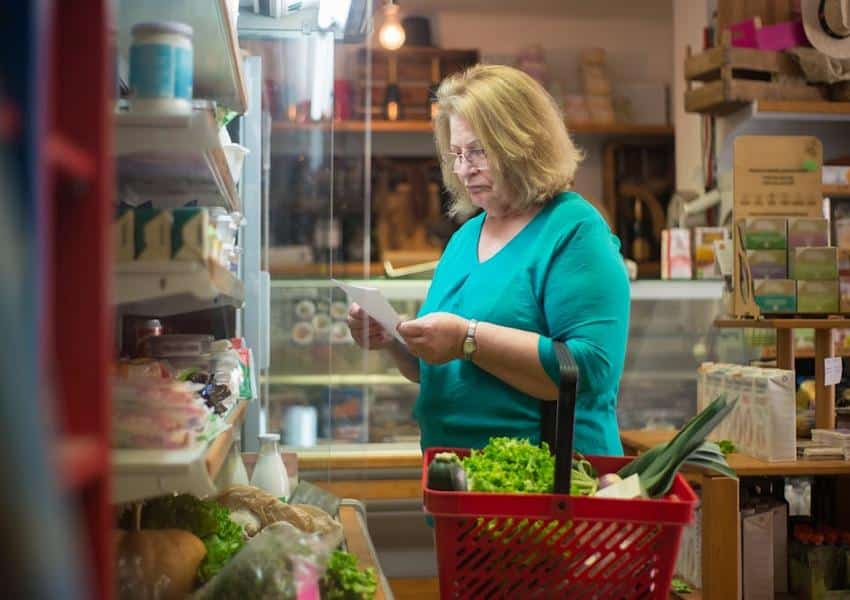
1. Create a Master Grocery List and Stick to It
A master grocery list eliminates guesswork, helps you avoid buying duplicates, and reinforces your meal plan. Resist the urge for spontaneous purchases by shopping only from your list.
2. Meal Plan Like a Pro
Plan your meals weekly, focusing on overlapping ingredients to reduce waste. Incorporate low-cost staples such as beans, eggs, and frozen vegetables, which can be used in multiple dishes.
3. Shop with a Full Stomach
Shopping while hungry inevitably leads to impulse buys. Eat a snack or meal before you head out so you’re less tempted by on-the-spot cravings.
4. Embrace Grocery Flyers and Apps
Weekly flyers and cash-back apps are your allies. Compare deals from local stores using apps or websites like Flipp or Ibotta, and adjust your meal plan accordingly.
5. Buy Seasonal and Local Produce
Seasonal fruits and vegetables are often cheaper and more flavorful. Shop at local farmers’ markets or join a community-supported agriculture (CSA) program for fresher, budget-friendly choices. Learn more about eating healthy on a budget here.
6. Use the Freezer Wisely
Freeze leftovers, meat, and bread before they spoil, reducing food waste and saving money. Purchase proteins and produce in bulk when they’re on sale, then freeze them in meal-sized portions.
7. Compare Unit Prices Religiously
Unit pricing (cost per ounce, pound, or liter) can unmask sneaky pricing tricks. Larger packages aren’t always cheaper, so always compare before buying.

8. Shop Store Brands and Generic Labels
Don’t pay extra for fancy packaging. Store brands frequently offer the same quality as name-brand products for less. Give them a try with staples like canned goods, pasta, and rice.
9. Join Store Loyalty Programs
Loyalty cards and digital coupons can generate instant savings at checkout. Many stores also offer exclusive discounts or personalized deals to members.
10. Stock Up During Sales
Take advantage of deep discounts on shelf-stable or freezable items. Stockpiling basics like flour, beans, and frozen veggies when on sale can prevent paying full price later.
11. Limit Processed and Prepackaged Foods
Convenience comes at a cost—both financially and nutritionally. Pre-cut produce, sliced cheese, and microwave meals cost more than the DIY versions. Prep at home for better savings and health.
12. Master the Art of Portion Control
Learning to serve appropriate portions reduces both food waste and your shopping bill. Reuse leftovers in creative ways to stretch meals even further.
13. Use Cash-Back and Rewards Credit Cards
If you’re disciplined, using a cash-back rewards card when shopping for groceries can offset a portion of your bill each month. Just remember to pay off the balance each cycle to avoid interest.
14. Avoid Shopping Multiple Times Per Week
Frequent store visits create more opportunities for impulse buys. Limit shopping trips to once a week or biweekly to stay disciplined and cut down on transportation costs.
15. Shop Alone or with Like-Minded Shoppers
Children or partners may unconsciously encourage off-list purchases. If possible, shop solo or with someone who shares your commitment to frugality.
16. Don’t Let Coupons Dictate Purchases
Only use coupons for products you already buy or truly need. Buying something just because you have a coupon may actually cost more than intended.

17. Downgrade Your Protein Choices
Alternate between expensive meats and budget-friendly proteins such as beans, lentils, eggs, tofu, or canned fish. Check out these tips for saving money on meat for more ideas.
18. Take Inventory Before Shopping
Examine your fridge, freezer, and pantry before heading out. This helps avoid buying duplicates and inspires creative meal ideas based on what you already have.
19. Buy in Bulk—Strategically
Bigger isn’t always better, but purchasing certain staples like oats, rice, or canned goods in bulk can lead to significant savings if you’ll actually use them before they expire.
20. Use Your Store’s Clearance Section
Most grocery stores have a clearance or markdown section featuring items nearing their sell-by date. These can be perfectly safe and high-quality if used soon after purchase.
21. Track Grocery Spending and Set Goals
Use budgeting apps or spreadsheets to record your grocery outlays. Set monthly or weekly spending limits and challenge yourself to beat your past “grocery spend” record.
22. Prep and Cook at Home
Cooking from scratch is nearly always cheaper and healthier than eating out or grabbing prepared foods. Try batch-cooking meals for the week and freezing individual portions to save both money and time.
23. Be Cautious with Convenience Stores
Emergency runs to convenience stores almost always cost more. If possible, factor grocery needs into your primary shopping trip and avoid quick stops at high-priced locations.
24. Eat More Plant-Based Meals
Shifting just a few meals per week to a plant-based focus is great for both your health and your wallet. Lentil stews, chickpea salads, and vegetable stir-fries are filling and budget-friendly. For more on stretching your grocery budget, review these clever ways to save on groceries.
25. Learn to Love Leftovers
Don’t view leftovers as second-rate. Get creative by transforming last night’s dinner into lunch, soup, or a freezer meal for a busy night. This mindset alone can cut your food costs dramatically.
Common Pitfalls to Avoid in Frugal Grocery Shopping
Even with the best intentions, it’s possible to stumble along the path to frugal grocery mastery. Here are the big mistakes to sidestep:
- Overbuying Perishables: Buying too much fresh produce can lead to spoilage and waste.
- Neglecting Nutrition: Cheap doesn’t always mean healthy—prioritize value and nutrition together.
- Sacrificing Quality for Price: Sometimes, heavily processed “discount” foods provide fewer nutrients or less satisfaction. Seek balance.
- Ignoring Sales Cycles: Not timing your stock-ups with store sales can cost you extra money in the long run.
Frequently Asked Questions About Frugal Grocery Shopping
How much can I save each month by applying frugal grocery shopping hacks?
Individual results vary, but most shoppers report saving 20%–40% or more by planning meals, buying strategically, and avoiding waste.
Are store brand/generic products as good as name brands?
In most cases, yes. Store brands offer comparable quality and taste at significant savings. Some products may even be made by the same manufacturers as the name brands.
How do I eat healthy on a tight grocery budget?
Focus on unprocessed staples, shop seasonally, and cook at home. Explore more tips in this detailed guide on healthy eating on a budget.
What are some good apps for frugal shopping?
Popular grocery-saving apps include Flipp, Ibotta, and Fetch Rewards. These apps can locate the best deals, organize your shopping lists, and sometimes provide cash-back offers.
Is it really cheaper to cook at home?
Nearly always. Cooking at home gives you control over ingredients, reduces health care costs by improving nutrition, and allows for strategic use of leftovers or bulk ingredients.
Conclusion: Make Every Dollar Count with Smart, Frugal Grocery Shopping
Savvy frugal grocery shopping is about more than just clipping coupons or chasing sales. It means understanding your household’s needs, embracing creative strategies, and building confidence in your ability to make intentional financial decisions. With these 25 Genius Frugal Grocery Shopping Hacks You Need Now, you’re equipped to approach every grocery trip with purpose, save significantly on your food budget, and still enjoy delicious, nutritious meals. Ready for more savings inspiration? Explore practical tips on saving money on groceries, learn how to save on meat purchases, or discover easy ways to eat healthy without overspending. With consistency and a willingness to adapt, frugal grocery shopping can become a rewarding, sustainable habit that delivers real, lasting financial impact for your family.
For even more expert advice, check trusted resources like FTC’s food shopping tips, ChooseMyPlate’s budget nutrition resources, CDC healthy eating guides, and USDA SNAP-Ed tips to maximize your efforts.
This post may contain affiliate links. For more information please read disclaimer.