Discover how frugal gardening tips can help you nurture a thriving garden while keeping expenses low. In this comprehensive guide, explore 7 Frugal Gardening Tips to Save Money Instantly, ranging from smart seed sourcing to clever repurposing. Whether you’re a beginner or a seasoned green thumb, these practical, creative strategies will maximize your harvest and minimize your spending. Learn how to stretch every dollar—without sacrificing the joy and bounty of your garden.
Why Frugal Gardening is the Smart Choice
Gardening is often hailed as a rewarding hobby, offering fresh produce, exercise, and a sense of accomplishment. However, it’s easy for costs to spiral if you’re not careful, with seed catalogs, tools, soil amendments, and decorative items quickly adding up. Adopting a frugal mindset isn’t just about penny-pinching; it’s about maximizing resources, reducing waste, and enjoying abundant harvests at a fraction of the usual cost.
Practicing frugal gardening also aligns perfectly with sustainable living. Utilizing local and repurposed materials, sharing with neighbors, and avoiding unnecessary purchases benefit both your wallet and the environment. This approach can turn gardening into a life-enriching practice that’s as good for your finances as it is for your health and the planet.
7 Frugal Gardening Tips to Save Money Instantly
Let’s dive into actionable, creative frugal gardening tips. These practices can save you money right away, while setting up sustainable habits for seasons to come.
1. Start Seed Saving and Seed Swapping
The cost of seeds can be a significant portion of a gardener’s budget. Instead of buying new packets each year, embrace seed saving—collecting seeds from your healthiest, most productive plants for use in future seasons. Not only does this save you money, but it also helps you develop plants better suited to your local conditions over time.
Seed swapping is another frugal solution. Connect with fellow gardeners locally or online, and exchange surplus seeds. This practice provides diversity in your garden and bonds your local gardening community. For a step-by-step guide on frugal living practices beyond the garden, check out essential frugal living tips.
2. Make Your Own Compost
Quality compost can be surprisingly expensive in stores. Luckily, you can make your own rich compost for free, using kitchen scraps, grass clippings, and even shredded paper. Homemade compost nourishes your soil, encourages beneficial organisms, and helps retain moisture—cutting back on fertilizer and watering costs. Begin by setting up a simple compost heap or bin in a discreet garden corner, and start feeding it with organic waste.
3. Upcycle Everyday Items as Garden Tools and Containers
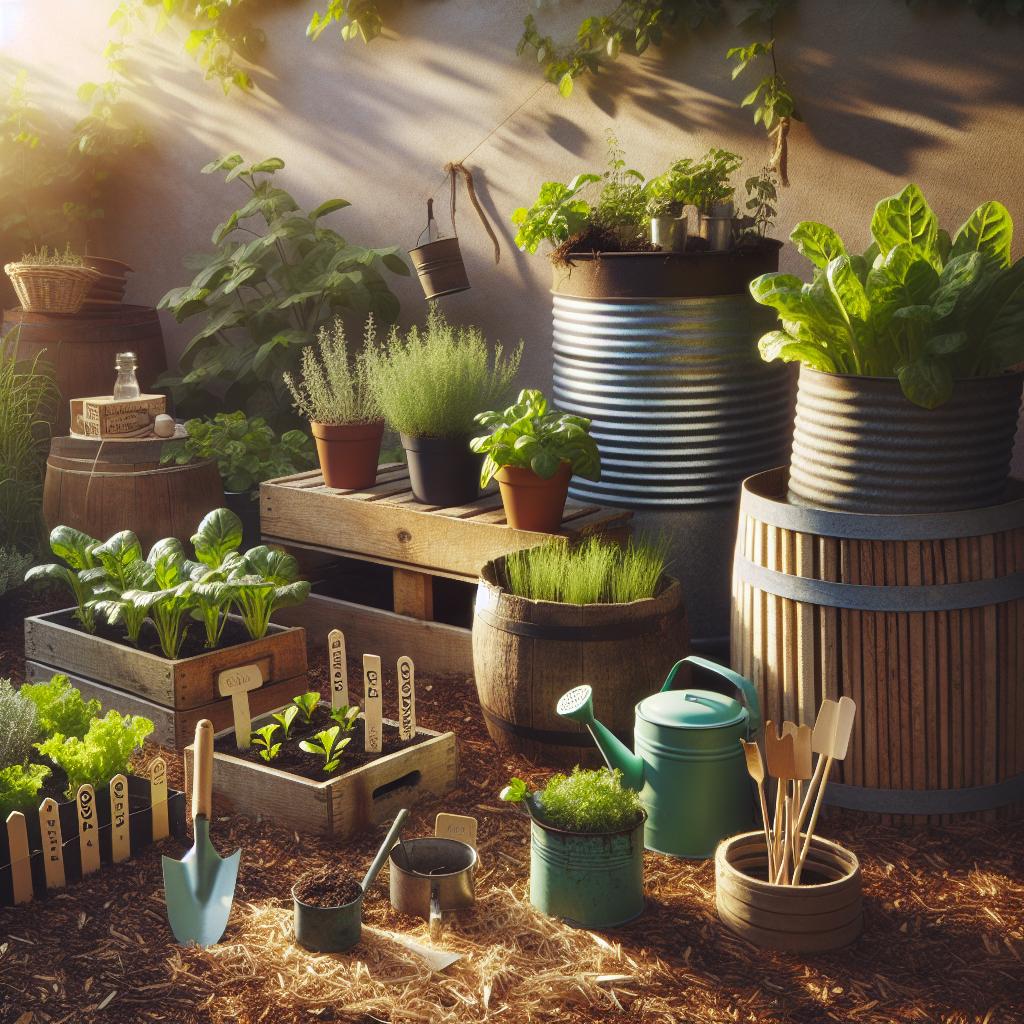
There’s no need to splurge on fancy tools or decorative planters. Instead, practice creative upcycling. Old buckets, yogurt containers, and even worn-out boots make fantastic pots. Broken kitchen utensils can become plant labels or mini shovels, while milk jugs can double as watering cans or protective cloches. The key is to view everyday “trash” as potential treasure for your garden.
4. Propagate Plants for Free
Many plants can be multiplied using simple propagation techniques, rather than purchasing new ones. Try stemming cuttings from herbs, dividing established perennials, or rooting runners from strawberries. Not only is propagation cost-effective, but it also allows you to share, swap, or expand your garden easily. For inspiration from individuals who take frugality to the next level, explore examples of extreme frugality.
5. Harvest and Store Rainwater
Watering is essential for a healthy garden, but it can inflate your utility bill—especially during hot summers. Installing a rain barrel (or repurposing large containers) to collect runoff from your roof is a simple, eco-friendly way to water your garden for free. Be sure to check local regulations to ensure rainwater harvesting is allowed in your area.
6. DIY Organic Fertilizers
Store-bought fertilizers are often over-priced and laden with chemicals. You can concoct your own plant food using items you already have: banana peels for potassium, crushed eggshells for calcium, and used coffee grounds for nitrogen. These homegrown concoctions keep costs down and feed your plants naturally and safely.
7. Plan and Plant Strategically
Thoughtful garden planning can save you time and money. Design your garden layout to maximize space, sunlight, and water. Choose crops that offer the best yield for your needs and climate. Interplant (mixing herbs, veggies, and flowers) to deter pests naturally and boost growth, which can minimize the need for pesticides and extra purchases. If you’re considering frugality when expanding, explore the principles of frugal home building for larger projects.
More Proven Frugal Gardening Techniques
Beyond these core 7 Frugal Gardening Tips to Save Money Instantly, several other habits and hacks will help you stretch your gardening dollars further. Incorporate these into your seasonal routines:
Shop Smart for Supplies
Always look for deals, discounts, and end-of-season sales on essential gardening supplies. Shop at local nurseries, community gardening swaps, or even secondhand stores. Online marketplaces and Facebook gardening groups can be goldmines for free or cheap tools and plants.
Mulch for Moisture and Weed Control
Mulching is a powerful tool in the frugal gardener’s arsenal. By covering your soil with leaves, grass clippings, or even newspaper, you conserve water, suppress weeds, and improve soil health. This reduces the need for costly weed killers and extra watering.
Extend the Growing Season on a Budget
Instead of investing in expensive greenhouses, use DIY cold frames, mini-hoop tunnels, or even old windows to protect young plants from chill. These simple structures can be made from recycled materials and allow you to start seeds earlier in the spring and grow later into fall.
Embrace Perennials
Planting perennial vegetables, herbs, and flowers means less replanting (and spending) each year. Examples include asparagus, rhubarb, chives, thyme, and perennial kale. They provide a reliable harvest season after season, reducing the need to purchase new seeds or seedlings annually.
The Hidden Financial Benefits of Frugal Gardening
While the primary motivation for frugal gardening is often immediate savings, the approach delivers several long-term financial benefits:
- Reduced Grocery Bills: Homegrown produce is fresher, more nutritious, and significantly less expensive than store-bought alternatives.
- Lower Healthcare Costs: Eating more homegrown fruits and vegetables supports a healthier lifestyle, which can help prevent costly health issues.
- Asset Creation: As you propagate plants and build fertile soil, you create valuable garden assets that pay dividends for years to come.
- Decreased Waste: By composting, reusing, and growing only what you need, you reduce food waste and packaging—saving landfill fees and lessening environmental impact.
Practical Frugal Gardening Tips for Every Season
Let’s break the year down and see which money-saving activities are best for each gardening season:
Spring
- Start seeds indoors using egg cartons and yogurt cups as trays.
- Build or repair garden beds with free pallets, stones, or reclaimed lumber.
- Begin composting your spring yard trimmings and kitchen scraps.
Summer
- Install drip irrigation using old hoses and soda bottles for slow release watering.
- Mulch heavily to hold in moisture and suppress rampant weeds.
- Swap extra produce with neighbors or donate to local food banks.
Fall
- Collect seeds from finished crops and dry them for next year.
- Layer fallen leaves and grass on garden beds as free mulch.
- Start planning indoor winter gardens with leftover containers.
Winter
- Scour local classifieds and curb alerts for used gardening equipment.
- Research new frugal gardening techniques and plan crop rotations.
- Repair, clean, and organize tools for the coming season.
Community Resources and Free Frugal Gardening Opportunities
Sometimes the best frugal gardening tips come from your community. Here are a few opportunities to tap into local resources and boost your garden without touching your wallet:
- Community Gardens: Many towns offer shared garden plots for a nominal fee or even for free. These often include access to tools, compost, and advice.
- Master Gardener Programs: Offered through state extension services, these programs provide free or low-cost gardening classes and resources. See Gardening Know How for more tips.
- Library Seed Libraries: Many local libraries offer free seed exchanges where you can take and leave seeds for community use.
- Online Communities: Connect with like-minded gardeners on websites like Royal Horticultural Society.
Getting Kids and Families Involved in Frugal Gardening
Gardening is a fantastic, low-cost activity for families. Engage children in frugal projects such as making homemade seed bombs, designing upcycled planters, or tracking plant growth in a nature journal. These activities teach valuable life lessons in sustainability, savings, and patience—all while having fun together in the great outdoors.
Frugal Gardening: Common Mistakes to Avoid
Even seasoned frugal gardeners can sometimes slip into money-wasting habits. Be mindful to avoid:
- Impulse Plant Purchases: Make a plan before you shop, and only buy what you truly need.
- Neglecting Tools: Take care of your equipment—clean and sharpen regularly so you don’t need frequent replacements.
- Overwatering or Over-fertilizing: Both waste resources and can harm plant health instead of helping it.
- Ignoring Local Resources: Missing out on free mulch, compost, or seeds from local organizations means missing significant savings.
Frequently Asked Questions about Frugal Gardening Tips
What is the easiest way to start gardening on a tight budget?
Begin with what you already have. Repurpose household containers as pots, use kitchen scraps for compost, and join online gardening forums for seed swaps. Start small by focusing on just a few vegetables or herbs you love most.
Are there specific crops that are the most cost-effective for home gardens?
Crops like tomatoes, herbs (basil, mint, chives), salad greens, and zucchini typically offer high yields for small investments. Perennials such as asparagus and rhubarb also become more cost-effective over time.
How can I garden organically without increasing costs?
Use homemade compost, DIY natural fertilizers (like coffee grounds or crushed eggshells), and organic pest control (such as neem oil or companion planting). Often, organic methods are more frugal because they rely on resources that might otherwise go to waste.
How do I find free gardening resources in my area?
Check with your local cooperative extension service, join neighborhood gardening groups on social media, and ask at your public library about community gardens or seed exchanges. These organizations often offer workshops, free seeds, or compost.
What’s a good way to involve kids in frugal gardening?
Have them help make seed starting pots from newspaper, track plant growth with photos, or decorate upcycled containers for planting. These hands-on projects are budget-friendly and help kids develop gardening enthusiasm.
Is there a financial downside to frugal gardening?
As with any activity, poor planning or overzealous spending can negate savings. Stick to your list, shop smart, and prioritize what truly adds value. Most importantly, enjoy the learning journey—mistakes can often spark the best frugal solutions!
Conclusion: Cultivate More, Spend Less
Frugal gardening proves that you don’t need to spend a fortune to develop a productive, beautiful garden. By embracing these 7 Frugal Gardening Tips to Save Money Instantly and supplementing them with creative, sustainable habits, you’ll not only cut costs but also nurture a deeper connection with nature and your community.
Remember, even small steps—like saving seeds, composting, or upcycling containers—create meaningful change in your garden’s health and your household budget over time.
Ready to Transform Your Garden and Finances?
If you’re excited to embark on your frugal gardening journey, start today! Review your current supplies, reach out to your local community for swaps and advice, and try one or two new money-saving techniques each season. For broader inspiration, dive into our resources on frugal living and extreme frugality to cultivate savings across every area of life.
Looking to expand your cost-effective lifestyle even further? Reimagine your space with frugal home building strategies for even bigger savings outside the garden. Happy planting—may your garden and your wallet both grow and thrive!
This post may contain affiliate links. For more information please read disclaimer.