
Curious about jumping into cryptocurrency investing for dummies but overwhelmed by technical jargon and confusing charts? You are not alone. This Cryptocurrency Investing for Dummies Made Simple Guide breaks everything down, step by step, so anyone can grasp the fundamentals of crypto investing, minimize risk, and discover real opportunities in this cutting-edge market. Whether you want a foundation for your investment journey or practical strategies for building a portfolio, this comprehensive guide delivers what beginners need—without the complicated language.
Why Learn Cryptocurrency Investing for Dummies?
The Rising Popularity of Crypto Assets
Digital assets like Bitcoin, Ethereum, and thousands of altcoins are reshaping how people invest, transact, and store value. Retail and institutional investors alike are pouring millions into cryptocurrency markets, seeking returns and diversification beyond stocks and bonds. The chance to participate in financial innovation is driving more “dummies” (beginners) than ever to explore cryptocurrency investing for dummies, making education a crucial first step.
Breaking Down Barriers
Cryptocurrency investing for dummies no longer means high technical entry points or advanced computer skills. With a smartphone and internet connection, anyone can open an account and start trading. The right education and a sound guide, like this one, unlock doors previously closed to everyday investors.
What is Cryptocurrency? An Easy Explanation
At its core, a cryptocurrency is a digital or virtual form of money, secured by cryptography, that operates independently of central banks. Blockchain technology powers most cryptos, creating transparent, decentralized transaction records.
The Key Characteristics of Cryptocurrencies
- Decentralization: Operate on peer-to-peer networks, not tied to any single authority.
- Limited Supply: Many coins have a fixed or predictable supply schedule, impacting their value.
- Transparency and Security: All transactions are recorded on public ledgers (blockchains), providing security against fraud.
- Global Accessibility: Cryptos can be bought, sold, or transferred across borders in minutes.
Main Types of Cryptocurrencies
- Bitcoin (BTC): The original crypto and the standard for digital gold.
- Ethereum (ETH): Enables smart contracts and decentralized applications (dApps).
- Stablecoins: Pegged to traditional assets (like the US Dollar) to minimize volatility.
- Altcoins: Refers to all cryptocurrencies other than Bitcoin, each with unique use cases.
Understanding Blockchain: The Foundation of Crypto
How Does Blockchain Work?
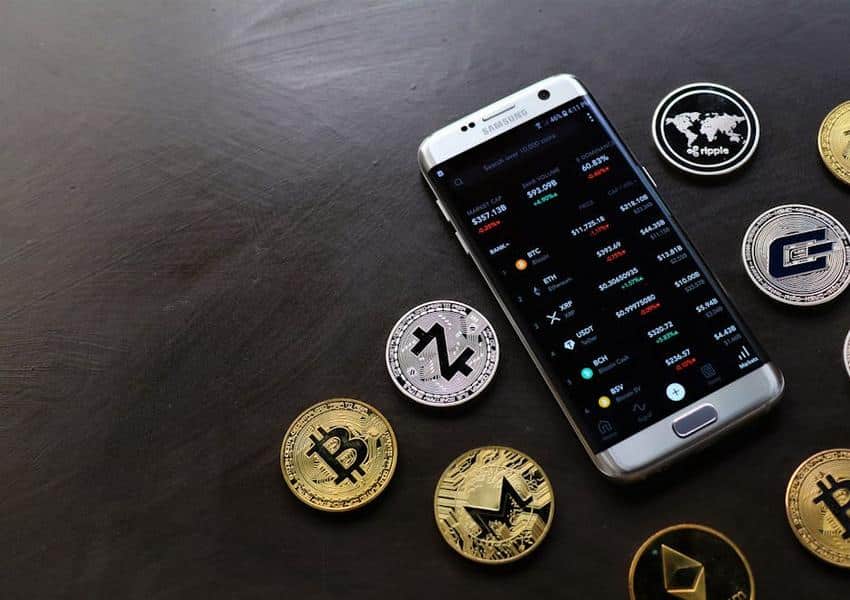
Blockchain is essentially a decentralized database. Each transaction forms a “block” linked chronologically, making tampering difficult. Hundreds or thousands of computers validate entries, eliminating the need for a middleman.
Why Blockchain Matters to Investors
The blockchain ensures transparency, security, and permanence, adding trust and reliability to digital assets. For investors, this means fewer risks of fraud or manipulation compared to traditional systems.
How to Get Started: Cryptocurrency Investing for Dummies Made Simple Guide
The Mindset: Approach Crypto Investing with Caution and Curiosity
While stories of massive gains abound, it is vital to approach the market realistically. Risk is inherent, and prices are volatile. Treat crypto as a new asset class to learn about—one with enormous potential and plenty of caution needed.
Essential Steps Before Your First Crypto Purchase
- Understand your financial goals. Are you saving for retirement, diversifying a portfolio, or simply curious?
- Set a clear investment budget. Only use money you can afford to lose, especially at first.
- Research credible exchanges. Look for regulated platforms with robust security and customer support.
- Choose a secure crypto wallet for storage.
- Never share your passwords or private keys with anyone.
Choosing the Right Cryptocurrency Exchange
Centralized vs. Decentralized Exchanges
Centralized exchanges (CEX), such as Coinbase or Binance, are user-friendly, regulated, and offer high liquidity. Decentralized exchanges (DEX), like Uniswap, do not hold your funds and let you trade directly from your wallet—but with a steeper learning curve.
What to Look for in an Exchange
- Security features (two-factor authentication, insurance)
- Transparency (disclosure of operational licenses and team)
- Asset selection (list of coins supported)
- Reputation (user reviews, media coverage)
- Fees (trading, withdrawal, deposit)
Step-by-Step: Opening Your First Account
- Register with a reputable exchange
- Verify your identity (KYC)
- Set up two-factor authentication
- Deposit fiat funds (USD, EUR, etc.) or crypto
Safely Storing Crypto: Wallet Solutions for Every Dummy
Hot vs. Cold Wallets
Hot wallets are connected to the internet, like mobile apps and browser extensions. They are fast and convenient but vulnerable to hacks.
Cold wallets (hardware wallets or paper wallets) store assets offline, offering superior security for long-term holding.
Best Practices for Crypto Security
- Back up your wallet and private keys, storing them in multiple secure locations.
- Enable strong passwords and two-factor authentication.
- Beware of phishing emails and scams promising guaranteed returns.
Building a Solid Beginner Portfolio
Principles of Diversification
Just as with traditional assets, don’t put all your eggs in one basket. Spread risk across a mix of established coins and a small percentage of promising projects.
Popular Coins for Beginners
- Bitcoin (BTC): Most stable and widely understood.
- Ethereum (ETH): Known for its real-world utility and developer activity.
- Major stablecoins: Useful for transferring value and hedging against volatility.
Portfolio Allocation Example
- 50% Bitcoin
- 30% Ethereum
- 15% stablecoins or blue-chip altcoins
- 5% high-risk, high-reward altcoins
When and How to Buy: Navigating Volatility
Timing Your Entries
The crypto market is notoriously volatile. Avoid FOMO (fear of missing out) and hype-driven buying. Instead, dollar-cost averaging is a strategy where you invest a fixed amount regularly, buying more when prices are low and less when prices are high, helping smooth out the effects of volatility.
Technical and Fundamental Analysis for Dummies
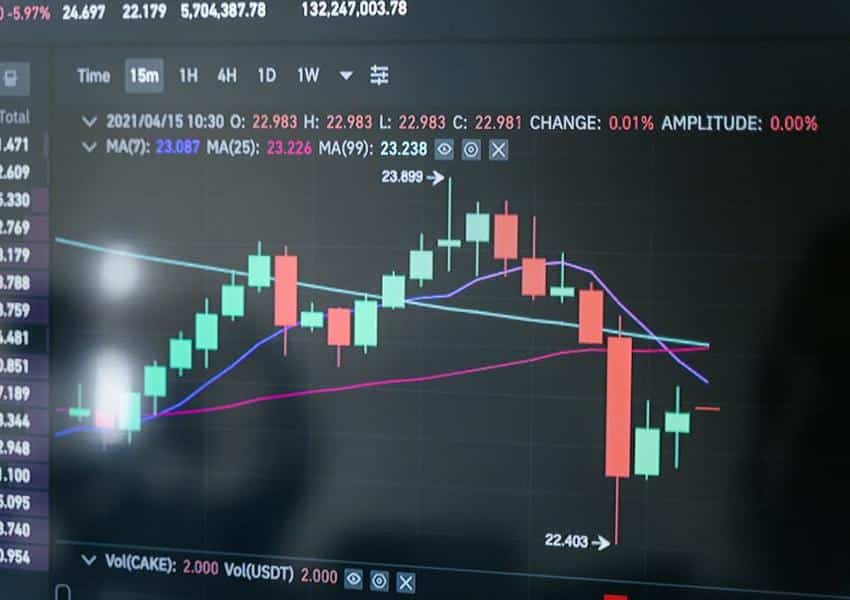
Technical analysis uses charts, patterns, and technical indicators (like Moving Averages) to identify potential market trends. Fundamental analysis considers the project’s team, technology, real-world utility, and community support. For beginners, start with a basic understanding before placing trades.
Minimizing Common Mistakes in Crypto Investing
It’s easy to get caught up in hype or make rushed decisions as a beginner. Here are common pitfalls and how to avoid them:
- Overtrading: Avoid frequent buying and selling based on emotions. Stick to your plan.
- Lack of Research: Always vet new projects before investing.
- Chasing “Pump and Dumps”: Ignore sudden surges or social media “insiders”.
- Ignoring Security: Never leave large amounts on exchanges.
Cryptocurrency Investing for Dummies: Managing Risk
Golden Rules of Loss Prevention
- Never invest money you can’t afford to lose.
- Set a stop-loss strategy: Decide in advance when to sell if prices drop to avoid emotional decision-making.
- Keep abreast of crypto news and regulations. Volatility can be triggered by global events, policy changes, or exchange hacks.
Tax, Regulations, and Legal Considerations
Crypto investing carries tax implications in most countries. Earnings from trades may be subject to capital gains tax. Stay informed about your local regulations, such as guidelines from the IRS in the United States or FCA in the UK. Not all coins and exchanges are legal in every jurisdiction, so conduct due diligence before investing.
Strategies for Volatile Markets
- Embrace long-term holding (HODL) instead of trading every move.
- Maintain liquidity to buy during dips if you wish to expand your holdings.
- Don’t ignore mental health. Take breaks from news and price charts.
Advanced Tips: Cryptocurrency Investing for Dummies Made Simple Guide
Earning Passive Income with Crypto
Beyond buying and holding, explore staking (locking coins to secure networks and earn rewards), yield farming (providing liquidity to protocols), and decentralized lending. While these can increase earnings, they add additional risk—understand the mechanics before participating.
Exploring DeFi and NFTs
Decentralized Finance (DeFi) is a fast-growing segment where you can lend, borrow, and swap assets without traditional middlemen. Non-fungible Tokens (NFTs) represent unique digital items. While promising, these sub-sectors are risky and complex, so start small and keep learning.

Following Crypto News and Trends
Stay current by following reputable news sources such as CoinDesk, CoinTelegraph, and mainstream financial publications. Community platforms like Reddit’s r/Cryptocurrency and Crypto Twitter can also offer rapid updates but beware of herd mentality and misinformation.
Learning from Past Mistakes: Crypto Crashes and Booms
Almost every new investor experiences losses. Remember, the market is cyclical—crashes and booms are part of the landscape. Document lessons learned to refine your future approach.
Building Persistence and a Learning Habit
Cultivate patience and ongoing education. Markets change fast, so your “cryptocurrency investing for dummies” journey is never truly over. Take regular breaks, seek community support, and adopt a mindset of steady improvement.
Frequently Asked Questions on Cryptocurrency Investing for Dummies
Is cryptocurrency safe for beginners?
With careful research, sound security practices, and responsible budgeting, crypto investing can be reasonably safe for beginners. Avoid unreliable projects and never share your security details. Use regulated exchanges and secure wallets.
How much should I invest initially?
It’s best to start small—only what you can afford to lose. Many experts recommend even $20 or $50 to practice before deploying significant capital.
Do I need to buy a whole Bitcoin?
No! You can buy fractions of Bitcoin or any other cryptocurrency on most exchanges, allowing you to invest at any budget.
What is the best cryptocurrency for beginners?
Start with established coins like Bitcoin and Ethereum. Stablecoins can also be helpful for learning the ropes of transferring and holding value.
Can I lose all my money with crypto investing?
Yes. Cryptocurrencies are highly volatile and not guaranteed. Prices can swing dramatically, and some projects may fail completely. Only invest funds you are willing to lose.
Where can I learn more about investing basics?
Check out these powerful insights for beginners: What is investing and 7 simple steps to start investing.
How do taxes work with cryptocurrency?
In many countries, crypto trades are taxable events. Check with your national tax authority—or a certified tax professional—to stay compliant.
What should I do if I get hacked?
Immediately move remaining funds to a new wallet, report the incident to the exchange, and consult your local cybercrime division. Use strong, unique passwords and enable 2FA to mitigate future exposure.
Conclusion: Your Crypto Investing Journey Begins Now

Cryptocurrency investing for dummies does not have to be overwhelming. With the right foundation, you can navigate market ups and downs, build a diversified crypto portfolio, and take full advantage of the opportunities offered by digital assets. Leverage this Cryptocurrency Investing for Dummies Made Simple Guide as your launchpad to explore, learn, and grow your confidence as a crypto investor. Remember to prioritize ongoing research, risk management, and security. For those ready to deepen their financial knowledge, check out investing for beginners or these simple steps to start investing today. Your crypto journey awaits—let curiosity, caution, and commitment be your guide.
This post may contain affiliate links. For more information please read disclaimer.