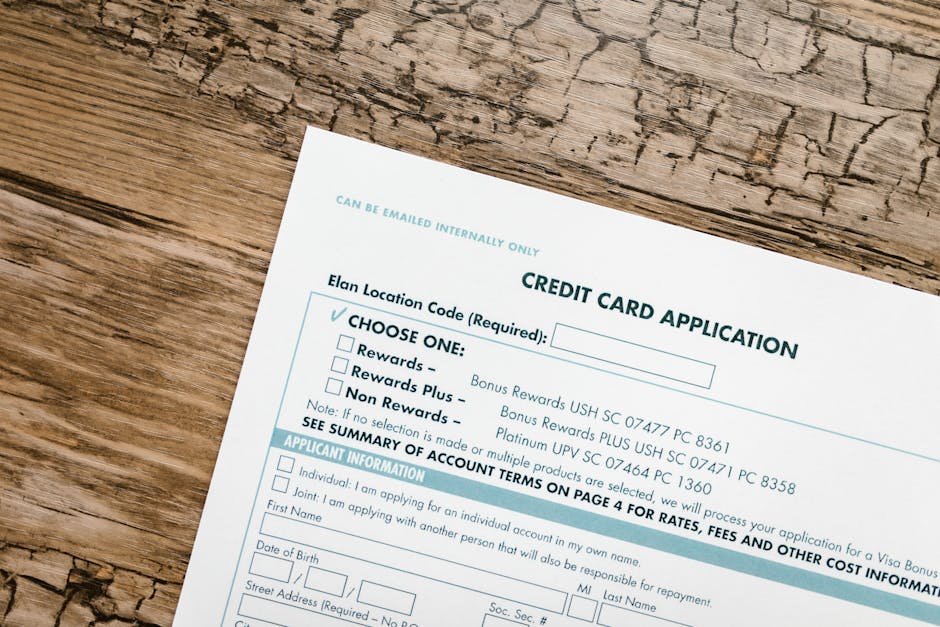
Refinancing a car loan can be a smart financial move if you’re seeking to lower your monthly payments, reduce your interest rate, or alter the terms of your current car loan. Understanding how to refinance a car loan effectively is crucial for anyone looking to improve their financial situation and save money over time. In this comprehensive guide, we’ll outline exactly how to refinance a car loan in 12 steps, ensuring you have all the knowledge and resources needed to make informed decisions. Whether your credit score has improved, interest rates have dropped, or you simply want better loan terms, this guide will help pave the way to financial empowerment.
Why Consider Refinancing Your Car Loan?
Potential Money Savings
One of the primary reasons individuals explore how to refinance a car loan is to save money. If interest rates have decreased since you first obtained your loan, or if your credit score has improved, you could qualify for a lower rate and reduced monthly payment. Over the lifespan of your loan, this can add up to significant savings.
Improved Loan Terms
When you refinance, you may have the opportunity to modify your loan’s duration. Extending your loan term can lower your monthly payment, which may help with current cash flow. Alternatively, shortening your loan term could help you pay off your car faster and reduce the total interest paid.
Consolidating Debts
Refinancing sometimes allows borrowers to consolidate auto loan debt with other debts, streamlining finances and potentially simplifying payments.
Release a Co-Signer
If your original loan required a co-signer, refinancing in your own name may release that person from their financial obligation, giving both parties more autonomy and financial freedom.

How to Refinance a Car Loan in 12 Steps
1. Evaluate Your Current Loan and Finances
Start your refinancing journey by clearly understanding your existing loan. Review your current interest rate, payoff amount, remaining loan balance, and any prepayment penalties. It’s also crucial to examine your monthly budget. Use an auto loan calculator to project what a new loan could look like based on different terms and rates.
2. Check Your Credit Score
Your credit score will play a major role in the loans and interest rates offered to you. Obtain your credit report and check for any errors that could be impacting your score. Websites like AnnualCreditReport.com offer free credit reports from the major bureaus. If your score has improved since your original car loan, you stand a stronger chance of securing a lower rate.
3. Assess Your Vehicle’s Value
Lenders typically have guidelines regarding the vehicle’s age, mileage, and value for refinancing eligibility. Use resources like Kelley Blue Book or NADA Guides to get an accurate picture of your car’s current market value. Be mindful that if your car’s value is less than the amount you owe (known as being “upside down” or having negative equity), refinancing may be more challenging.
4. Gather Important Loan and Personal Documents
Organizing relevant documents in advance will speed up the refinancing process. Typically, lenders ask for your:
- Driver’s license
- Proof of income (recent pay stubs or tax forms)
- Proof of insurance
- Registration information
- Current loan details (lender, loan number, payoff statement)
- Vehicle identification number (VIN)
5. Research Lenders and Shop for Rates
Not all lenders offer the same terms or rates. Research banks, credit unions, online lenders, and even your current lender to find competitive offers. Getting pre-qualified (when possible) allows you to compare interest rates and terms without affecting your credit score. Sites like Bankrate or NerdWallet can help you quickly survey the lending landscape.
6. Understand the Costs of Refinancing
While refinancing can reduce your monthly payments or overall interest paid, it does sometimes carry costs. Ask potential lenders about application fees, origination charges, title transfer fees, or early repayment penalties from your current lender. Weigh these upfront expenses against the anticipated savings to make sure refinancing makes sense for your financial situation.

7. Pre-Qualify and Compare Offers
After researching, you may be able to pre-qualify with several lenders. Pre-qualification helps you know what rates and terms you might qualify for, often with a soft credit pull that doesn’t impact your score. Compare the offers side by side, focusing on interest rate, APR, total repayment amount, loan term, and any fees.
8. Choose the Best Lender and Apply
Once you’ve found the most attractive refinancing deal, formally apply with your chosen lender. This step will usually involve a hard credit inquiry, so only apply when you’re ready to proceed. Make sure all your personal, employment, and vehicle information is accurate to avoid application delays.
9. Review the Loan Terms Thoroughly
Upon approval, carefully review the new loan agreement. Take time to inspect the interest rate, term length, payment amounts, any add-on fees, and fine print. Ask questions if anything seems unclear. Understand your obligations and how payments will be made.
10. Complete the Loan Process
Sign the agreement and submit any required documents. Most lenders will pay off your old auto loan directly. Double-check that your former lender has received payment and that your old loan account is closed.
11. Update Automatic Payments and Insurance
If you previously set up auto-pay at your original lender, switch payments to the new lender to avoid missed payments or late fees. Notify your insurance company about the lender change and provide new lienholder details if necessary.
12. Track Your Loan and Build Credit
Monitor your new car loan on your credit report and keep records of all payments. On-time payments can help build or further improve your credit score. Stay engaged with your lender’s online portal or customer service for ongoing support.
Benefits and Drawbacks of Refinancing a Car Loan
Main Advantages
Refinancing offers tangible benefits such as:
- Lower interest rates, potentially leading to substantial savings
- Flexible loan length and repayment terms
- Reduced monthly payments, freeing up cash flow
- The chance to remove a co-signer or add one as needed
Potential Downsides
Risks and drawbacks to be aware of include:
- Prepayment penalties on your old loan that could reduce your savings
- Possible loan origination fees that add to the upfront cost
- Owing more than your vehicle’s value
- Extending your loan term, which may increase total interest paid even at a lower rate
When to Refinance Your Car Loan
Ideal Timing and Circumstances
Some scenarios are particularly well-suited for refinancing:
- You have improved your credit score significantly since acquiring your original loan
- Overall market interest rates have dropped
- Your vehicle retains high value and meets lender requirements
- Your financial situation has changed and you need lower payments or a new co-signer arrangement
For an in-depth look at what refinancing entails, visit what does it mean to refinance your car.
When Not to Refinance
Hold off on refinancing if:
- You’re close to paying off your car loan (the savings may not justify the costs)
- Your vehicle is too old or has too many miles according to lender criteria
- Prepayment penalties or refinancing fees would outweigh any potential financial gain
- Your credit score has significantly dropped
Common Mistakes to Avoid When Refinancing
Not Comparing Multiple Offers
Don’t settle for the first offer you receive. Rates and terms can vary greatly, so shop around to ensure you’re getting the best deal. Utilize online lending marketplaces for quick quote comparisons.
Ignoring Loan Fees
Hidden fees, such as title transfer, application, or origination fees, can add up. Always factor these into your refinancing decision. If the fees outweigh your projected savings, refinancing may not be beneficial.

Extending to the Longest Term Available
While lower monthly payments may seem attractive, extending your loan term could mean paying more in interest overall. Only extend your loan if it’s necessary for your budget, and consider the total financial impact.
Not Reading the Fine Print
Some refinancing agreements contain clauses that could be detrimental, such as prepayment penalties or required insurance modifications. Always read the full contract and clarify anything that is unclear.
Forgetting to Update Automatic Payments
Missing a payment because you forgot to update auto-pay details could hurt your credit score. Ensure your payment information is current with the new lender before the next payment is due.
Expert Tips for a Smooth Refinance
Review Your Credit Report in Advance
Check your report for potential errors and resolve them before applying. Even a small improvement in your score can qualify you for more favorable rates.
Prepare All Documentation Early
Keep recent pay stubs, proof of insurance, and all loan details in one place. Prompt responses during the application process help prevent delays.
Ask for a Soft Pull Before Hard Applications
Many lenders offer pre-qualification with only a soft credit pull, allowing you to compare multiple offers with minimal impact on your credit score.
Consider Working With Credit Unions
Credit unions are known for competitive rates and more personalized service. Some may overlook minor credit blemishes if you have a strong overall application.
Negotiate With Your Current Lender
Your current lender may be willing to refinance or offer a better rate to keep you as a customer. Leverage outside offers to negotiate improved terms.
Frequently Asked Questions: How to Refinance a Car Loan
What is required to refinance a car loan?
Refinancing typically requires proof of income, vehicle information, identification, credit history, and your current loan details. Requirements can vary by lender, so always double-check specific application checklists.
How soon can I refinance after getting an auto loan?
Most lenders require that you wait at least 60 to 90 days before refinancing, but some allow immediate refinancing if you meet credit and equity requirements. There is no universal waiting period.
Will refinancing hurt my credit score?
Applying for refinancing initiates a hard inquiry on your credit report, which may drop your score by a few points temporarily. However, a new loan can boost your score over time with on-time payments. Shop within a short window (typically 14-45 days) to reduce the impact of multiple inquiries.
Can I refinance with bad credit?
Yes, but options might be limited and interest rates may be higher. Specialized lenders and credit unions may still offer programs for those with less-than-perfect credit, especially if you have made consistent on-time payments on your existing loan.
Are there fees involved in refinancing a car loan?
Yes, potential fees include application charges, origination fees, title transfer fees, and possible early repayment penalties from your current lender. Always factor these into your cost-benefit analysis before proceeding.
Can you remove a co-signer by refinancing?
Refinancing is one of the primary methods for removing a co-signer from a car loan, provided you qualify for the new loan on your own.
Additional Resources
- CFPB: What to Consider When Refinancing an Auto Loan
- Experian: How to Refinance Your Car Loan
- Investopedia: Refinancing a Car Loan
How to Refinance a Car Loan Video Guide
Conclusion

Learning how to refinance a car loan can unlock major savings and grant you more flexibility over your financial future. By following the 12 key steps—reviewing your current loan, checking your credit, researching lenders, and understanding all costs—you can set yourself up for success and maximize the advantages of refinancing. Always compare offers thoroughly, read contracts carefully, and ensure refinancing genuinely improves your situation before committing.
Are you considering whether to refinance or want more details? Visit our comprehensive guide: what does it mean to refinance your car to learn more about the refinancing process, benefits, and potential pitfalls.
With diligent preparation and a clear understanding of the process, you can take control of your auto loan and drive your financial journey forward.
This post may contain affiliate links. For more information please read disclaimer.