Looking to master grocery shopping on a budget for two without sacrificing nutrition, taste, or quality? Discover 27 Smart Tips for Grocery Shopping on a Budget for Two, helping you save money, reduce food waste, and make the most of your household finances. Whether you’re a couple just starting out, roommates learning the ropes, or simply want to stretch your grocery dollars further, this in-depth guide will empower you with proven strategies, smart planning techniques, and actionable steps for meal planning, savvy shopping, and mindful spending. Unlock the secrets to affordable, healthy, and delicious meals tailored for two, while building sustainable habits that support your financial goals.
Why Smart Grocery Shopping for Two Really Matters
Grocery shopping for two can feel deceptively simple, yet millions of us overspend, buy more than we need, or sample pricey trends to keep meals interesting. But with food prices rising and economic uncertainty often looming, it’s more crucial than ever to make grocery shopping efficient and budget friendly. Successful shopping on a budget doesn’t mean sacrificing health, flavor, or fun—it’s all about making intentional choices that add lasting value to your lifestyle and bottom line.
Benefits of Grocery Shopping on a Budget for Two
Being mindful of your grocery budget as a household of two carries benefits far beyond just saving money. You’ll also:
- Significantly reduce food waste
- Enjoy a variety of delicious, nutritious meals
- Free up funds for savings, travel, or other priorities
- Feel less stress around grocery bills
- Foster teamwork and healthier habits with your shopping partner
Common Challenges: Why Is Shopping for Two So Tricky?
While it’s tempting to think smaller households naturally spend less, you might face these hurdles:
- Overbuying and food spoilage
- Lack of meal planning motivation
- Impulse purchases and “treat” spending
- Difficulty scaling recipes for two
- Choosing between bulk bargains and smaller, pricier portions
Ready to simplify the process? Follow the 27 Smart Tips for Grocery Shopping on a Budget for Two below, and start making every dollar—and every meal—count.
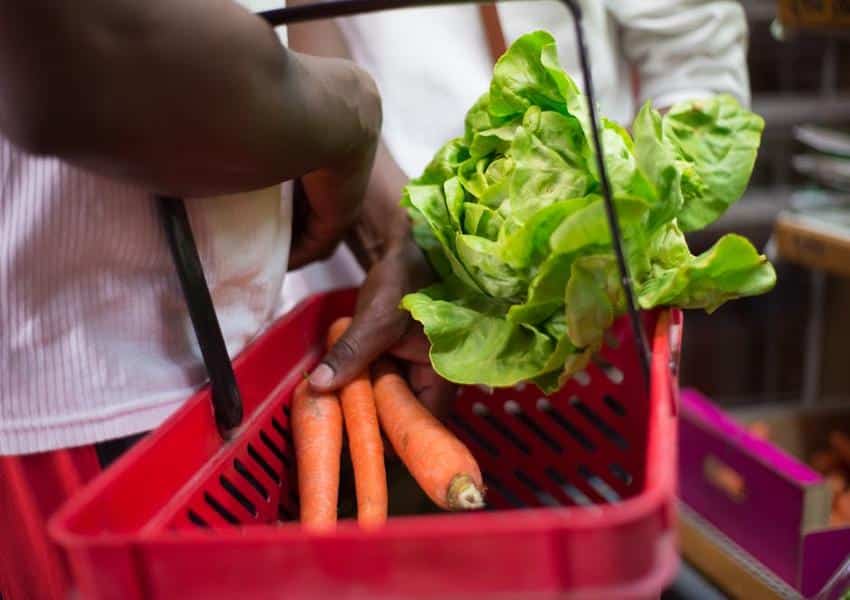
27 Smart Tips for Grocery Shopping on a Budget for Two
1. Set a Realistic Grocery Budget
Begin by reviewing your monthly income and expenses, then decide how much you can comfortably spend on groceries. Setting a spending limit (such as $65–$100 per week for two) keeps you accountable.
2. Take Inventory Before Shopping
Check your pantry, fridge, and freezer to prevent buying duplicates. Planning meals around what you already have means less waste and more savings.
3. Meal Plan and Batch Cook
Design a simple weekly meal plan, focusing on dinners and batch cooking options for leftovers. Planning lets you buy only what you need and avoid expensive takeout or impulse dining.
4. Make a Detailed Grocery List
List every ingredient for your planned meals and snacks. Organize your list by grocery store section for a focused shopping trip and fewer temptations.
5. Shop the Sales and Use Grocery Store Apps
Preview circulars and download store apps for digital coupons and member discounts. Focus on sale proteins, grains, and in-season produce that fit your meal plan.
6. Prioritize Versatile Ingredients
Choose produce, grains, and proteins you can use in multiple meals—think spinach in salads, omelets, and stir-fries, or chicken breast for tacos and pasta.
7. Buy in Bulk—Strategically
Bulk foods are budget-friendly if you’ll use them before they spoil. Large rice, beans, oats, and frozen vegetables are perfect for two. Avoid bulk perishables unless you can portion and freeze.

8. Master Portion Control
Scale recipes for two and serve appropriate portions to reduce leftovers that go uneaten. Invest in measuring cups or a kitchen scale for accuracy, especially when following meal plans.
9. Embrace Frozen Fruits and Vegetables
Frozen produce is affordable, nutritious, and ready when you need it—no risk of spoilage. Stock up on frozen berries, broccoli, spinach, and mixed vegetables for year-round savings.
10. Avoid Shopping When Hungry
Shopping on an empty stomach can sabotage your budget with impulse purchases. Eat a snack before heading to the store to keep your brain focused and your wallet secure.
11. Stick to the Perimeter of the Grocery Store
Most fresh, whole foods are found around the store’s edges. Center aisles tend to have pricier processed snacks and convenience items—shop the perimeter for the healthiest, most budget-friendly basics.
12. Try Store Brands or Generics
Store-brand products often match or exceed name brands for quality—and cost less. Compare ingredients and nutrition labels to make the switch without compromising on taste.
13. Shop With Cash or Use a Prepaid Card
Paying with cash or a prepaid card limits excess spending. Bring only what you’ve budgeted to the store, encouraging disciplined choices and teaching mindful money habits.
14. Limit Processed and Prepackaged Foods
Convenience foods are almost always more expensive. Skip pre-cut produce, ready-made entrees, and single-serve snacks in favor of whole ingredients you can prepare at home.
15. Choose the Right Store for Your Needs
Discount grocers like Aldi, Lidl, or local ethnic markets can offer excellent quality at lower prices. Experiment with a few stores to find which has the best options for your shopping style and meal plan.
16. Use Loyalty Rewards and Cashback Programs
Many stores offer rewards cards or cashback on groceries. Sign up for free programs and scan your card or app every trip for rewards you can use later.
17. Understand Price Per Unit
Always compare similar items by price per ounce, pound, or item—not just sticker price. Unit pricing is the secret to maximizing every dollar on all essentials.
18. Emphasize Plant-Based Proteins
Beans, lentils, eggs, and tofu deliver protein at a fraction of the price of meat and poultry. Plan a few meatless nights each week to lower your grocery bill and support your health.
19. Cook at Home More Often
Cooking at home is nearly always cheaper and healthier than takeout. Try new recipes together to keep things exciting while controlling both costs and ingredients.
20. Repurpose Leftovers Creatively
Turn last night’s chicken into wraps, salads, or soup. Reinvent rice and veggies as fried rice or burrito bowls. With a little creativity, leftovers stay interesting and nothing goes to waste.
21. Shop Seasonally and Locally
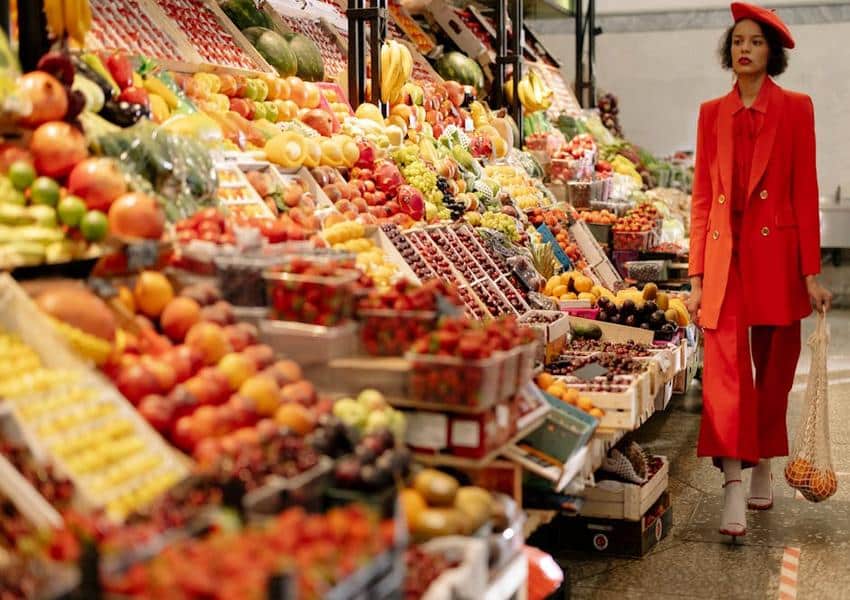
In-season fruits and vegetables are more flavorful and less expensive. Visit local farmers’ markets or join a farm share for affordable, high-quality produce grown nearby.
22. Pay Attention to Expiration Dates
Pick the freshest perishable items and put them to use first. Cook or freeze meats, dairy, and produce before they spoil, and rotate older foods to the front of your fridge or pantry.
23. Meal Prep Snack Packs
Prep small snacks—like carrot sticks, popcorn, or sliced cheese—at home. Having easy, budget snacks reduces the urge for overpriced vending machine or convenience store options.
24. Limit Expensive Beverages
Skip soda, bottled coffee, and fruit juices in favor of water, homemade iced tea, or black coffee. Specialty beverages can drain your budget quickly with little nutritional benefit.
25. Review Receipts and Track Your Spending
Save or snap photos of grocery receipts. Track your total spending, categories, and impulse buys to learn where you can make meaningful changes next trip.
26. Adjust for Special Diets Without Breaking the Bank
Gluten-free, vegetarian, or allergy-friendly doesn’t have to mean costly. Shop in bulk, cook from scratch, and stick to naturally dietary-safe whole foods for savings.
27. Invest in Simple Kitchen Tools
A slow cooker, rice cooker, or air fryer stretches your ingredients, simplifies meal prep, and reduces temptation for takeout. Start small and add to your toolkit as your budget allows.
How to Meal Plan for Budget Success
Meal planning is a cornerstone of grocery shopping on a budget for two. The trick is to keep things simple while maximizing flavor and minimizing waste. Here’s how to make it effortless:
- Choose recipes with overlapping ingredients. For example, buy a bag of mixed greens to use in salads, sandwiches, and omelets.
- Plan several meals that can be repurposed. For instance, a big batch of chili on Monday might become chili-stuffed baked potatoes on Wednesday.
- Try making a weekly meal calendar, so you’ll know what to defrost or prep each day.
- Shop your pantry first and center meals around what you already have.
For more inspiration, check out our guide to quick and easy budget-friendly meal ideas for even more affordable recipes designed with smaller households in mind.
How to Eat Healthy on a Tight Budget
Healthy eating and spending less at the supermarket go hand in hand. Here are actionable suggestions for keeping nutrition a top priority—even on a budget:
- Choose whole foods over processed foods—think whole grains, beans, eggs, frozen vegetables.
- Buy in bulk when it makes sense, especially for staples like oats, rice, or dried legumes.
- Embrace more plant-based meals—they’re good for your wallet and your health.
- Keep healthy snacks like fruit or homemade popcorn on hand to avoid convenience buys.
Read our full article about how to eat healthy on a budget for additional tips and meal planning ideas that don’t break the bank.
Ways to Stop Wasting Food and Money
The best way to stretch your grocery budget is to make sure you actually eat what you buy. Here are a few proven tactics:
- Learn proper food storage to keep produce and leftovers fresh.
- Set a weekly “clean out the fridge” night using up what’s left.
- Practice FIFO (first in, first out) so older food is eaten before new groceries.
- Freeze extra bread, produce, meat, and herbs for later use.
- Get creative—smoothies and stir-fries are perfect for odds and ends!
For more hacks to trim grocery expenses, visit our list of clever ways to save money on groceries.
Sample Grocery List for Two on a Budget
Here’s an example of a healthy, versatile weekly shopping list for two that won’t break the bank:
- Proteins: chicken breasts/thighs, eggs, canned beans, tofu
- Grains: brown rice, oats, whole wheat pasta, tortillas
- Produce: spinach, carrots, onions, apples, bananas, frozen berries
- Dairy: yogurt, cheese (block form is cheaper), milk or plant-based milk
- Pantry: peanut butter, canned tomatoes, olive oil, spices
This selection supports multiple breakfast, lunch, and dinner options, plus healthy snacks throughout the week.
Essential Budgeting Tools and Apps for Smart Grocery Shoppers
Technology can make shopping on a budget much easier for two-person households. Consider using one or more of these trusted resources:
- Ibotta: Get cash back on grocery purchases with digital offers.
- Goodbudget: An app for tracking grocery budgets and keeping expenses transparent between partners.
- Out of Milk: Create smart, shareable shopping lists on your smartphone.
- USDA’s Food Planning Resources: Useful guides for meal and grocery planning for smaller households.
Frequently Asked Questions: Grocery Shopping on a Budget for Two
What is a realistic grocery budget for two people?
This depends on geography, dietary preferences, and cooking habits, but a typical range is $250–$400 per month for a health-focused couple. You can start low and adjust as needed once you track your actual spending for a month or two.
How do I stop overbuying groceries for two?
Use a detailed, realistic list and stick to your meal plan. Review your fridge and pantry before shopping, and avoid sales on items you don’t actually need. If you’re tempted, wait 24 hours before returning to purchase extras.
Are meal kits worth it for two people on a budget?
Meal kits offer convenience, but are almost always pricier than cooking from scratch. If you love the time-saving aspect, pick simple, replicable recipes from kits and buy your own ingredients next time to save more.
What’s the most affordable source of protein?
Eggs, dried or canned beans, and lentils offer the most nutrition for the lowest cost. Chicken thighs and tofu are also great protein options for the budget conscious.
How can I prepare budget-friendly meals for two if I’m short on time?
Batch cook and freeze extra portions, lean on one-pot dishes and sheet pan meals, and use time-saving appliances like slow cookers or air fryers. Check out these budget-friendly meal ideas for inspiration.
Conclusion: Stretch Your Dollar—and Your Satisfaction—Every Week
Learning the art of grocery shopping on a budget for two is about more than just clipping coupons or hunting for the lowest price—it’s about making intentional, sustainable choices that support your financial and nutritional well-being. By applying these 27 Smart Tips for Grocery Shopping on a Budget for Two, you can develop lasting habits that minimize waste, maximize flavor, and keep you on track with your financial goals. Whether you’re planning weekly meals, exploring new recipes, or mastering smart shopping strategies, adopting this mindful approach will help you enjoy delicious, healthy food together while saving money month after month. Take these tips to heart, adapt them to your lifestyle, and see how grocery shopping transforms from a costly chore to an empowering, money-saving opportunity every week.