
Are you wondering how to build an emergency fund quickly, or perhaps searching for proven methods on how to build an emergency fund in 27 days? Whether you’re starting from scratch or rebuilding from a setback, a robust emergency fund is the bedrock of financial security. In this guide, you’ll find a step-by-step roadmap to accelerate your savings, actionable tips to overcome common obstacles, and expert insights that can transform your financial habits for the long term. Discover everything you need to know about planning, executing, and maintaining an emergency fund — including why it matters, easy strategies for fast results, and answers to top questions.
Why an Emergency Fund is Essential for Financial Wellness
Unexpected expenses can quickly derail your finances if you aren’t prepared. Medical bills, car repairs, sudden unemployment, or urgent home repairs all demand immediate attention and cash. An emergency fund provides a financial cushion, reducing your reliance on credit cards or loans that may come with high interest rates. Think of your emergency fund as your personal safety net, offering peace of mind and flexibility during life’s financial storms.
Understanding the Basics: What is an Emergency Fund?
An emergency fund is a dedicated savings account or cash reserve set aside to cover unforeseen expenses. It’s not for planned purchases, holidays, or investments. The aim is to have instant access to liquid funds in times of crisis. The size of your emergency fund will depend on your unique situation, but many experts advise setting aside three to six months of essential living expenses.

Setting the Right Goal: How Much Should You Save?
Calculate Your Monthly Expenses
Start by tracking your fixed and variable monthly expenses, including rent or mortgage, utilities, groceries, insurance, transportation, and any loan repayments. Add discretionary expenses such as entertainment or dining out for a more realistic buffer.
Identify Your Target Fund Size
Multiply your total monthly expenses by three (minimum), six (ideal), or even more months depending on your risk tolerance, job stability, and dependents. For example, if your total monthly outflow is $2,500, aim for at least $7,500 as a starting goal. This approach tailors your fund to your needs rather than following a generic recommendation.
How to Build an Emergency Fund in 27 Days: Step-by-Step Plan
1. Open a Separate High-Yield Savings Account
Keep your emergency fund separate from your regular checking account to avoid temptation and confusion. Opt for a high-interest savings account or money market account, ensuring easy access and FDIC insurance. Many reputable banks and online financial institutions offer no or low-fee options with competitive rates.
2. Automate Your Savings Contributions
Set up automatic transfers from your checking account to your emergency savings right after payday. Automating this process turns saving into a habit, minimizes chances of skipping contributions, and lessens decision fatigue. Even small, consistent amounts make a difference over time.
3. Slash Unnecessary Expenses
Conduct a ‘budget audit’ to identify areas where you can cut back temporarily. Unused subscriptions, premium services, frequent takeout, or excessive shopping trips can all be dialed down. Redirect these savings straight into your emergency fund. Check out our guide for saving money fast for more actionable ideas.
4. Sell Unused Items for Quick Cash
Scout your home for valuable items such as gadgets, clothing, or furniture that you no longer need. Platforms like eBay, Facebook Marketplace, or OfferUp make it easy to convert clutter into cash, which can jumpstart your emergency fund efforts.
5. Boost Your Income with a Side Hustle
Gig economy jobs or freelance opportunities can supplement your income significantly. Consider driving for rideshare services, delivering food, tutoring online, or offering your skills on platforms like Upwork or Fiverr. Dedicate your side gig earnings exclusively to your emergency fund for rapid progress.
6. Leverage Cash Envelopes or Cash Stuffing
This tangible method of allocating cash for specific expenses helps control overspending. Every dollar is assigned a purpose, which makes it easier to save surplus amounts. Read our top cash stuffing tips to maximize your results.
7. Take the 27-Day Emergency Fund Challenge
Challenge yourself to complete daily small tasks — skipping a coffee shop visit, packing lunch, or negotiating a bill — and direct the savings to your emergency fund. Accountability tools like daily checklists or a progress jar can keep you motivated and track your milestones.
Day-by-Day Action Plan: How to Build an Emergency Fund in 27 Days
Week 1: Foundation and Preparation
Day 1-3: Calculate your target fund amount, open a new account, and set up automatic savings. Document your expenses and identify potential savings ‘leaks’.
Day 4-7: Begin selling unused items. Allocate the first deposits from your sales. Analyze your daily habits for quick-win areas to reduce spending, like bringing coffee from home or carpooling.
Week 2: Accelerating Progress
Day 8-10: Launch a weekend side hustle or offer freelance services. Channel your earnings directly into your emergency fund account. Track every contribution for a motivation boost.
Day 11-14: Cut back on at least one non-essential expense and redirect the money. Use budgeting apps for granular control and visibility.
Week 3: Creative Saving and Consistency
Day 15-17: Try a no-spend challenge for three days. Prepare all meals at home and avoid unnecessary shopping. Bank the savings immediately.
Day 18-21: Ask about bill negotiation at your mobile, cable, or insurance providers. Lowered payments can be diverted to your emergency fund. Consider DIY home maintenance to avoid service costs.
Week 4: Final Sprint and Review
Day 22-24: Reassess progress. Increase automated transfers if you receive a windfall (bonus, gift, or tax refund). Repeat selling or side hustle activities for an extra boost.
Day 25-27: Review your 27-day progress. Celebrate milestones, no matter how small. Commit to ongoing monthly contributions so your fund continues to grow beyond this initial period.
What to Do (and What Not to Do) With Your Emergency Fund
When to Use Your Emergency Fund
Tap into your emergency fund only for genuine, unavoidable expenses: job loss, urgent medical situations, emergency home repairs, or essential car fixes. Avoid the temptation to use this stash for vacations, shopping, or investments. Drawing a clear boundary protects your financial security in the long run.
How to Rebuild After Using the Fund
If you make a withdrawal, restart your 27-day action plan or increase your savings percentage for a few months to replenish the fund. Consistency is key — treat rebuilding with the same level of urgency as the initial savings phase.
Where Should You Park Your Emergency Fund?
Accessibility and safety are paramount. Choose high-yield savings accounts or money market accounts at well-established banks. Avoid locking your money in CDs, stocks, or retirement accounts where penalties or market fluctuations can jeopardize your access and principal.
Steering Clear of Common Mistakes
Don’t underestimate your required amount, and don’t merge your fund with regular checking. Avoid riskier investment accounts. Make sure your emergency fund is always liquid, secure, and separate from day-to-day spending.
Expert Tips for Building an Emergency Fund Rapidly
Pay Yourself First
Pretend your emergency fund contribution is a non-negotiable bill. Treat it with the urgency of rent or utilities to train yourself into a savings mindset.
Take Advantage of Windfalls
Anyone can boost savings with tax refunds, monetary gifts, or annual bonuses. Allocate a set percentage or the entire unexpected amount to your emergency fund to make significant progress in a short time.
Review and Adjust Regularly
As your income and expenses evolve, adjust your savings goals and contributions. Unexpected life events, pay raises, or the birth of a child could change your ideal fund size. Check in quarterly to stay on track.
Get the Family On Board
Discuss your savings goals and action plan with family members or housemates. When everyone is aligned, it’s easier to make shared sacrifices and cheer collective milestones together. Use visual trackers, such as coloring charts, to keep motivation high.
Combine Methods for Maximum Results
Don’t limit yourself to one tactic. Mix and match side hustles, expense trimming, cash challenges, and automation for swift success. The more avenues you create for saving, the faster your emergency fund will reach your target.
Monitor Your Progress
Track every deposit, no matter how small. Use apps or a simple spreadsheet to visualize your journey. Seeing your balance grow is incredibly motivating — and can push you over the finish line more quickly.
Involve Accountability Partners
Whether it’s a spouse, trusted friend, or online community, having someone check in with you can make sticking to your goal easier. Share your 27-day challenge and milestones for extra accountability.
Celebrate the Small Wins
Mark every successful week or milestone with a free or low-cost reward. Recognizing consistent effort builds a positive feedback loop, keeping you motivated for the long haul.
Stay Consistent Beyond 27 Days
Once you hit your initial goal, keep your momentum. Transition into a maintenance phase: set a recurring monthly transfer, and review your fund annually. With time, you may consider increasing your fund size as life circumstances evolve.
Level Up: Going Beyond a Starter Emergency Fund
Build a Fully Funded Emergency Reserve
Once you reach your starter goal (e.g., one month’s expenses or $1,000), work toward a more robust fully funded emergency fund. This provides greater security, especially if you’re self-employed or supporting dependents.
Balance Other Financial Priorities
After hitting your emergency fund target, consider redirecting surplus savings toward retirement, education, or other high-priority goals. Just ensure your emergency fund is always topped up and available.
Integrate with Your Broader Money Management Plan
Your emergency fund is a crucial foundation but only one piece of a healthy financial ecosystem. Integrate it with your debt payoff, investing, and wealth-building strategies for holistic progress. For more tips, read our article on saving fast on a low income.
Protect and Update Your Fund
Review your account choice periodically for the best interest rates and lowest fees. Reassess your required fund size annually, especially after major life changes.
Helpful Tools, Resources, and Inspiration
Use Budgeting and Savings Apps
Apps like Mint, YNAB (You Need A Budget), and Personal Capital can automate tracking and categorization, making it easier to spot opportunities for savings and build your emergency fund faster.
Financial Literacy Websites and Experts
Learning never stops. Explore reputable sources for updated savings strategies and financial insights. Notable resources include Consumer Financial Protection Bureau, Investopedia, and NerdWallet’s Emergency Fund Guides.
Motivational Stories
Read or listen to stories from people who transformed their financial lives by prioritizing an emergency fund. Personal finance podcasts and Reddit’s /r/personalfinance subreddit offer real-world testimonials and actionable advice.
Templates and Planners
Download free emergency fund trackers or printable planners from respected sites like The Balance to visualize progress and set concrete goals.
Community Support
Online forums, social media groups, and local workshops can provide accountability, inspiration, and troubleshooting tips as you build your fund.
Additional Reading
Check out our detailed guide to a fully funded emergency fund for more in-depth strategies.
Keep Growing Your Knowledge
Browse more articles on our site or subscribe to reputable financial blogs to keep up with the latest tips for emergency savings, budgeting, and financial resilience.
FAQs: How to Build an Emergency Fund
How much should my emergency fund be?
Most experts recommend saving at least three to six months’ worth of essential expenses. However, your target amount may vary based on job security, dependents, and unique risk factors. Calculate your personal needs and review your goal annually.
Can I build an emergency fund in less than a month?
Yes, with intensive focus and creative savings efforts, it’s possible to make significant progress in 27 days. By combining expense cuts, extra income, automation, and quick cash strategies, many people can at least reach a starter fund within this timeframe.
Where should I keep my emergency fund?
Place your emergency fund in a separate, high-yield savings account with quick access. This protects your money from market risk while ensuring liquidity. Avoid mixing the fund with everyday checking accounts.
What should an emergency fund NOT be used for?
Reserve this money for genuine emergencies only — not planned expenses, consumer purchases, or investments. Mixing purposes undermines the security your emergency fund provides.
How do I stay motivated to contribute regularly?
Set specific, realistic goals and use visual progress trackers. Automate contributions and celebrate milestones. Find an accountability partner or participate in online challenges to sustain momentum.
Is it possible to save an emergency fund with a low income?
Yes. Focus on small, consistent contributions and look for quick wins, like reducing non-essentials or earning from side gigs. Our guide on saving on a low income shares more practical advice.
Conclusion: Take Charge of Your Financial Future with an Emergency Fund
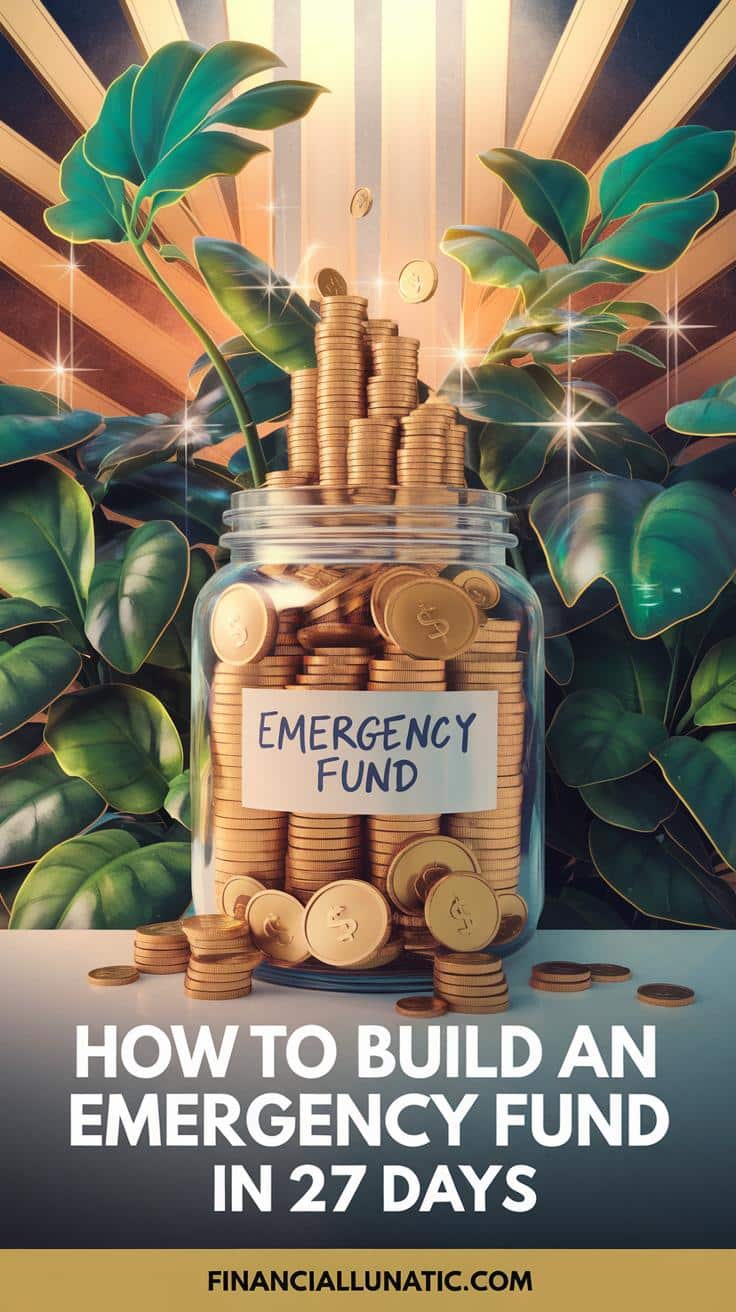
Building an emergency fund, whether quickly in 27 days or over several months, is one of the smartest financial moves you can make. With a clear plan, disciplined execution, and ongoing commitment, you can weather life’s unexpected storms without debt or stress. Start today — use daily actions, creative savings hacks, and automation to reach your first milestone, then build from there. Browse more of our expert resources or connect with financial communities to keep learning and stay inspired. Remember: every deposit, no matter how small, is a step towards peace of mind and financial freedom.