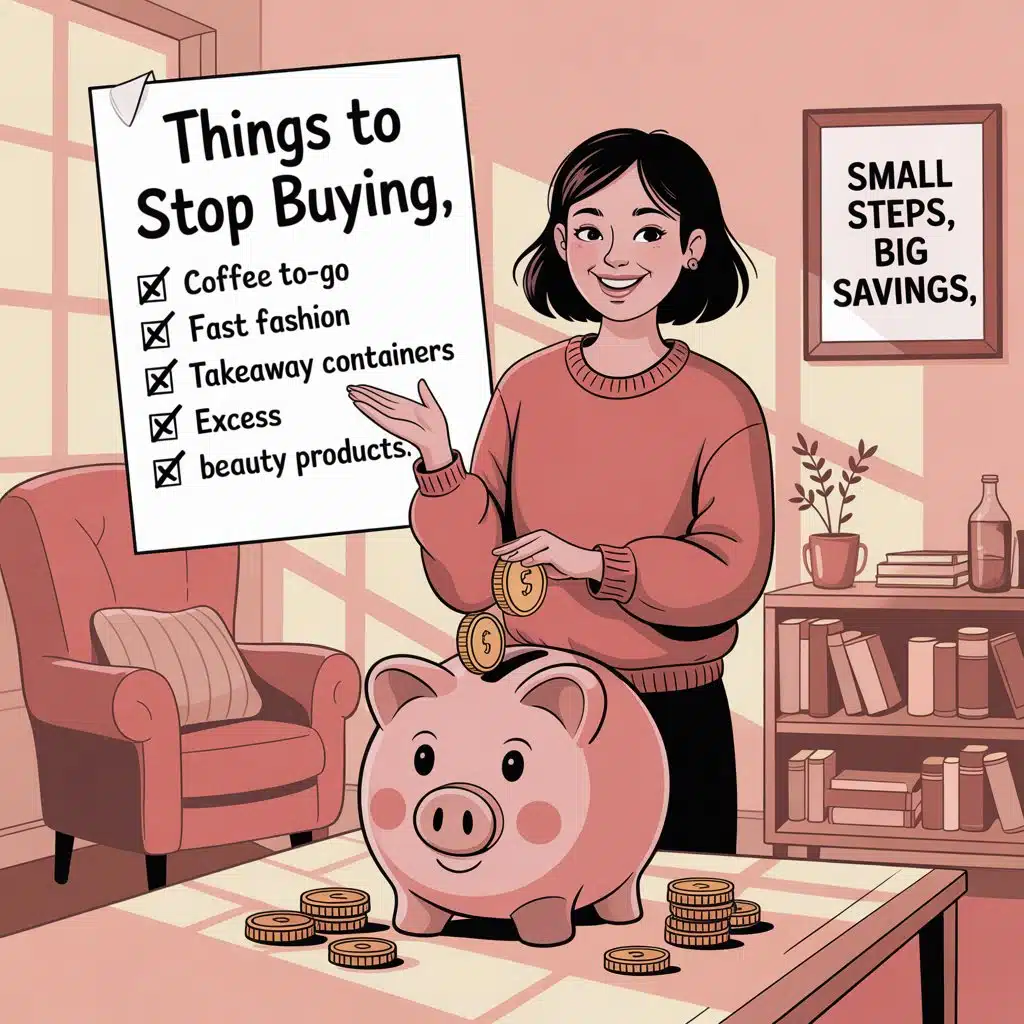
Are Everyday Purchases Sabotaging Your Financial Goals?
When you’re working hard to achieve your financial goals, every dollar counts. From building an emergency fund to paying off debt or saving for a dream vacation, small leaks in your budget can delay your progress. One of the fastest ways to boost your savings is to re-evaluate your spending habits and identify items that are draining your wallet unnecessarily.
Discovering what to stop buying—and learning smart alternatives—can be a true turning point for your financial health. Let’s dive into 10 common purchases that could be silently eating up your income, and see how cutting these expenses can help you build a brighter financial future.
Stop Buying These 10 Items to Reach Your Financial Goals
1. Bottled Water
It’s easy to grab a bottle of water on the go, but the cost adds up rapidly. According to Business Insider, Americans spend billions annually on bottled water, despite most having access to clean tap water. Investing in a quality reusable water bottle and a filter for your tap can save hundreds of dollars each year and help the environment.
2. Daily Coffee Shop Drinks
Your morning latte might seem like a small treat, but a $5-a-day habit totals about $1,300 a year! Instead, invest in a good coffee maker or learn to brew your own specialty drinks at home. Sites like Homegrounds offer expert tips for making barista-level coffee at a fraction of the cost.
3. Fast Fashion
Trendy, low-cost clothing from fast fashion retailers can be tempting, but their poor quality leads to frequent replacements—and more spending. Consider building a capsule wardrobe with timeless, high-quality pieces. Not only will you save money, but you’ll also reduce clutter and support sustainability.
4. Pre-Packaged and Convenience Foods
Grabbing a pre-cut fruit salad or pre-made meal might save time, but you pay a hefty markup. By meal prepping and cooking from scratch, you can save significantly. Batch cooking on weekends and freezing portions is a proven way to reduce both food waste and weekly grocery bills.
5. Expensive Cleaning Products
The cleaning aisle is crowded with specialized products for every room, but most surfaces can be cleaned with basic, affordable ingredients like vinegar, baking soda, and dish soap. Check out these DIY cleaner recipes for inspiration.
6. High-End Beauty and Skincare Products
While it’s important to take care of yourself, many luxury skincare items aren’t any more effective than their drugstore counterparts. Research ingredients and read independent reviews. Websites like Beautypedia can help distinguish genuine value from marketing hype.
7. Extended Warranties
Retailers love upselling extended warranties on electronics and appliances, but consumer advocates like Consumer Reports caution they’re rarely worth the extra cost. Most products come with a manufacturer’s warranty, and your credit card may offer additional protection. Save your money for necessary repairs or upgrades.
8. Single-Use Items (Paper Towels, Plates, Utensils)
Paper towels and disposable plates may seem convenient, but repeatedly buying single-use items is expensive and wasteful. Opt for washable dishware, microfiber cloths, and cloth napkins. Over time, these swaps pay for themselves and lighten your grocery bill.
9. Brand New Tech Gadgets
The lure of the latest phone or laptop can be hard to resist, but upgrading when your existing device still works is one of the quickest ways to derail your savings. Consider buying refurbished electronics, or waiting for older models to go on sale. Sites like Back Market offer ideas for high-quality, warrantied refurbished devices at great prices.
10. Gym Memberships You Don’t Use
Fitness matters, but are you really making use of that gym membership? According to USA Today, more than half of purchased gym memberships go unused. Free workout videos, outdoor activities, or a small investment in home equipment can save you money and keep your exercise routine fresh.
How to Replace Costly Habits with Money-Saving Alternatives
Identifying unnecessary expenses is just the first step. The true transformation happens when you find sustainable, enjoyable substitutes that align with your lifestyle. Here’s how you can start:
- Stay Hydrated on the Go: Try an insulated stainless steel water bottle. Refillable options keep drinks cool and cost pennies per fill.
- Brew at Home: Experiment with different grinds and brewing styles. Making your own coffee can become a fun ritual and save you big.
- Curate Your Wardrobe: Stick to a classic palette. Resist trends unless you love them—and buy secondhand when possible for the biggest discounts.
- Meal Prep Like a Pro: Invest a few hours one day a week to prep meals. This not only saves money but helps you eat healthier too.
- DIY Cleaners: Mix white vinegar with water for windows. Add essential oil for a fresh smell, or use baking soda to scrub tough stains.
- Research Beauty Products: Buy trial sizes or look for samples before committing to full-size items.
- Rethink Tech Upgrades: Use your device until it no longer meets your needs. Sell or trade old gadgets rather than letting them collect dust.
- Go Green at Home: Swap out paper and plastic for reusable alternatives—your wallet and the planet will thank you.
The Impact of Intentional Spending
It’s important to realize that every purchase is a choice. By becoming mindful of “budget leaks”—the small, recurring expenses that add up over time—you can redirect those funds towards genuine priorities. Imagine building your emergency fund, beefing up retirement accounts, or finally paying off student loans with the money you used to spend on daily takeout or disposable cleaning wipes.
In fact, according to the U.S. Bureau of Labor Statistics, average household expenditures on “non-essentials” often surpass $5,000+ annually. Just imagine what even a portion of these savings could do for your wealth-building journey!
Frequently Asked Questions: Spending Habits & Financial Goals
What is the focus keyword for this article?
The focus keyword is: Stop Buying These 10 Items to Reach Your Financial Goals. This phrase highlights the essence of the article—identifying everyday items to cut from your budget in order to meet your important financial targets.
How do I identify my own budget leaks?
Start by tracking every purchase over a month, using apps like Mint or a simple spreadsheet. At the end of the month, look for recurring purchases that aren’t vital. These are your budget leaks.
Is it really necessary to cut all 10 items at once?
No, personal finance is about progress, not perfection! Start with 2 or 3 items that don’t add much value to your life and see how you feel. Even small changes can have a big impact over time.
What if I enjoy these purchases and cutting them feels like a sacrifice?
Balance is key. If there’s something you truly love, look for ways to reduce—not eliminate—its cost. For example, buy fancy coffee beans for at-home cappuccinos rather than daily trips to the café.
How can I stay motivated to stick with new spending habits?
Set clear, achievable financial goals and track your progress visually. Apps like YNAB can help you see savings accumulate. Celebrate milestones and remember the “why” behind your efforts.
Can stopping these 10 purchases really make a difference?
Absolutely. Consider that even modest savings ($50 a month per category) can add up to thousands each year. Redirecting these funds towards debt, investments, or savings snowballs into real financial progress.
Conclusion: Small Cuts Lead to Big Gains
Reaching your financial goals doesn’t require deprivation—it’s about making intentional, empowered choices. When you stop buying these 10 items to reach your financial goals, you begin to prioritize what truly matters and take full control over your financial destiny. Remember, every dollar you save is a step closer to your dreams, whether that’s debt freedom, a world adventure, or early retirement.
Ready to Take Action?
Start today by reviewing your last month’s spending and pick just one item from this list to cut or swap for a smarter alternative. Watch how your stress decreases as your savings grow, and celebrate each small victory along the way. Need more support or ideas? Follow up with trusted financial resources or check out The National Foundation for Credit Counseling for free budgeting and debt advice.
Take the leap now—your future self will thank you!