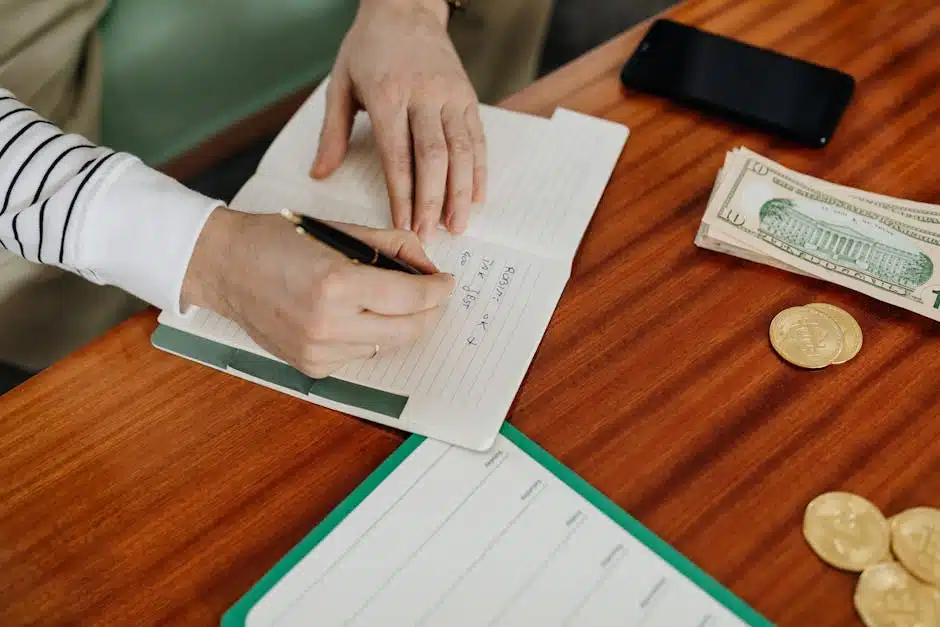
Looking for the best travel budgeting tips? Smart planning can make dream journeys possible, whether you’re flying solo, with a partner, or taking your family on an epic adventure. Discover Travel Budgeting Tips: 27 Smart Ways to Save Big and learn how to stretch your travel funds further, avoid common money mistakes, and experience more without sacrificing comfort or excitement. In this guide, we’ll uncover comprehensive strategies—before, during, and after your trip—that can help you spend wisely, travel affordably, and create memories that last a lifetime. Get ready to travel smarter, not harder, and unlock the secrets to traveling well on any budget.
Why Travel Budgeting Matters: Unlock the Power of Planning
Travel Dreams vs. Financial Reality
Do you feel held back from exploring the world because you fear blowing your budget? You’re not alone. Many dream trips are derailed by overspending, hidden costs, or poor planning. The truth is, without a clear strategy, travel expenses can pile up fast—turning adventures into financial regrets. The good news? With the right travel budgeting tips, you can explore more for less, experience destinations fully, and return home debt-free.
The Benefits of Smart Travel Budgeting
Travel budgeting is about more than just pinching pennies—it’s about maximizing your experiences. It empowers you to:
- See and do more: Smart choices let you enjoy attractions, activities, and great food within your means.
- Travel longer or more often: Stretching your budget can open doors to more frequent or extended trips.
- Reduce stress: Knowing you’re financially prepared leads to peace of mind and a better trip overall.
- Create lasting memories: Focus on the moments, not the money worries.
Travel Budgeting Tips: 27 Smart Ways to Save Big
1. Set Clear Travel Priorities
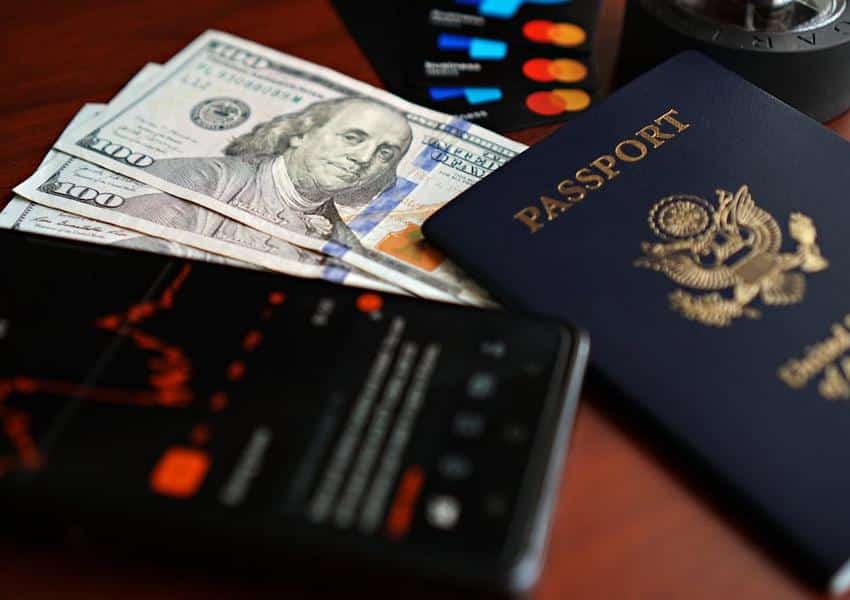
Start by defining what matters most—do you crave luxury or are you after authentic local experiences? Identifying your “must-haves” helps shape your budget and ensures you spend where it matters. Allocate more to experiences important to you, such as a special activity, and cut back on what’s less essential, like fancy hotels or souvenirs.
2. Research Destinations Based on Affordability
Some destinations offer more value for your money. Consider the exchange rate, cost of living, and average travel expenses. Southeast Asia, Eastern Europe, or Central America often provide exceptional experiences at a fraction of the price of Western Europe or the US.
3. Travel Off-Peak for Maximum Savings
Avoid peak seasons like major holidays, summers, or festival times unless those events are your primary reason for visiting. Instead, travel shoulder or off-peak, when flights, hotels, and attractions are significantly cheaper and less crowded.
4. Set a Realistic Travel Budget
Calculate expected costs for flights, accommodation, transportation, meals, activities, and a buffer for emergencies. Use free online tools, such as BudgetYourTrip or Numbeo, to research and plan.
5. Use Travel Rewards and Loyalty Programs
Join frequent flyer, hotel, or credit card points programs. Redeem miles for flights or upgrades, use points for free hotel stays, and take advantage of perks like lounge access or free checked bags. Compare programs at The Points Guy and choose what fits your travel style.
6. Be Flexible With Dates and Locations
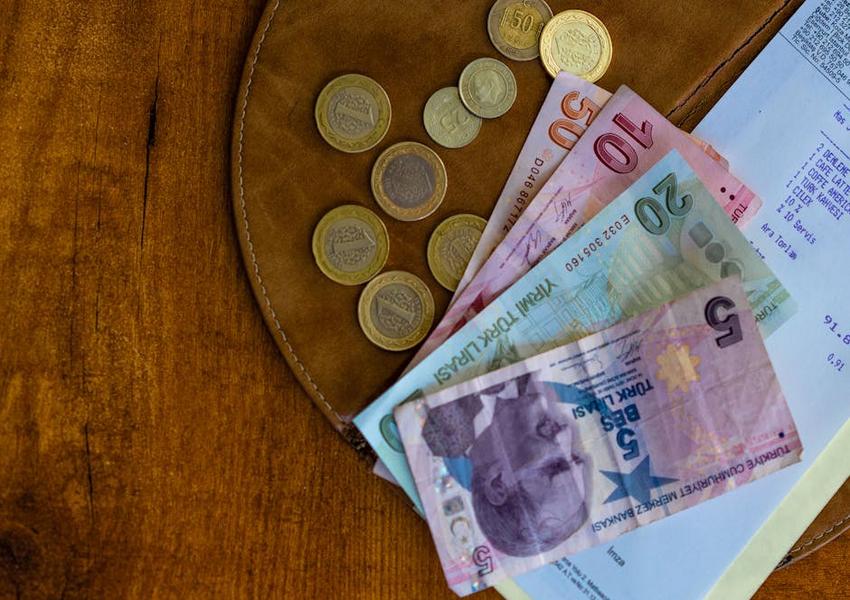
Slight changes in travel dates can lead to big savings. Use fare comparison tools like Skyscanner or Google Flights to explore cheaper days or even different airports within your region or destination.
7. Set Alerts and Track Prices
Set up alerts for flights and accommodations on platforms like Kayak or Hopper. Waiting for deals and booking when prices drop can save you hundreds.
8. Opt for Alternative Accommodation
Hotels aren’t your only option. Explore short-term rentals (Airbnb, Vrbo), hostels, guesthouses, or even house-sitting. Compare amenities, read reviews, and consider location—sometimes staying slightly outside of tourist zones offers better deals.
9. Consider Shared Transportation
Public transportation, ride-sharing, and regional trains or buses can dramatically cut costs compared to private taxis or rental cars. For longer journeys, look into budget airlines, overnight buses, or carpooling with fellow travelers.
10. Pack Wisely and Avoid Excess Fees
Packing light helps you avoid luggage fees and gives you more flexibility. Create a packing checklist to prevent last-minute purchases, and check your airline’s baggage rules ahead of time.
11. Eat Like a Local
Skip tourist restaurants and head where locals go or try street food markets. Not only is the food cheaper and often tastier, but you’ll experience more of the destination’s culture.
12. Leverage Free and Low-Cost Activities

Walking tours, free museums days, festivals, and parks can fill your days on a budget. Check destination websites or travel forums for up-to-date free events during your trip.
13. Make Use of Budgeting Apps
Apps like Trail Wallet, Splitwise, or TravelSpend help you track expenses and stick to your plan while on the go. Many also allow for currency conversions, keeping your financial planning stress-free.
14. Set a Daily Spending Limit
Divide your overall budget by the number of days you’ll be away. Setting a per-day cap helps manage spending, and any money left over can roll into the next day or fund a special treat.
15. Consider All-Inclusive Options (Wisely)
While all-inclusive resorts or cruises can seem pricey, they may help avoid overspending, especially on food or entertainment. Calculate whether the up-front price actually matches your intended activities and appetite.
16. DIY Sightseeing
Research top sites and plan your own route with maps or free audio guides instead of paying for organized tours. Many cities offer free walking tours where guides work for tips, letting you pay what you feel is fair.
17. Avoid Foreign Transaction and ATM Fees
Choose credit cards and debit cards with no foreign transaction fees. Use ATMs from major banks and withdraw larger amounts less frequently to minimize charges. Notify your bank before traveling to avoid blocked cards.
18. Beware of Tourist Traps and Scams
Popular attractions sometimes come with hidden fees, inflated prices, or scams targeting travelers. Read reviews, ask locals, and use trustworthy providers.
19. Shop Smart for Souvenirs
Buy souvenirs farther from tourist hubs or at local markets for better deals. Consider meaningful, locally made crafts instead of mass-produced trinkets. Always compare before buying!
20. Bring a Refillable Water Bottle
Purchasing bottled water multiple times a day quickly adds up and creates waste. Many destinations have refill stations or safe-to-drink tap water. Staying hydrated and saving money just got more convenient.
21. Plan Meals—And Snacks!
Visiting a grocery store and preparing simple breakfasts, lunches, or snacks can save you a bundle. Picnic in a park or enjoy a meal in your accommodation with local ingredients from the market.
22. Get Travel Insurance
Skimping on travel insurance can be costly if you need medical care, face trip cancellations, or lose possessions. Always compare reputable providers and ensure the policy covers your specific needs and destinations.
23. Check for City Tourist Passes
Many cities offer passes covering major attractions, transit, or even skip-the-line entry. Calculate whether purchasing a pass saves you money based on your personal itinerary.
24. Tap into Local Knowledge
Seek advice from locals, hostel staff, or fellow travelers for the best cheap eats, attractions, or hidden gems not listed in guidebooks. Online platforms like Reddit’s r/Travel can offer real-time tips for budget-conscious adventurers.
25. Communicate for Free or Cheap
Instead of pricey roaming fees, use Wi-Fi for communication through apps such as WhatsApp, Skype, or Google Voice. Consider local SIM cards or eSIMs if you need cellular data on the go.
26. Embrace Slow Travel
Staying in one place longer can unlock discounts on accommodation, reduce transportation costs, and offer a deeper, more immersive travel experience that feels as good as it is affordable.
27. Revisit and Reallocate Your Budget as You Go
Life is unpredictable—especially on the road. Review spending regularly, adjust as needed, and swap pricier plans with more affordable (but still amazing) alternatives if you’re running over budget.
More Advanced Travel Budgeting Tips for Special Situations
Traveling as a Family or Group
Group travel can offer fantastic savings as costs for lodging, transportation, and even food can be split. Leverage group rates or family passes wherever possible. Need extra help? See our list of budgeting tips for families that work for more ideas.
Solo Globe-Trotting
Solo travelers may face higher per-person costs for rooms or excursions but have more flexibility in daily spend. Opt for hostels, dorms, or group tours to keep expenses low and meet fellow adventurers.
Travel With Kids
Kids often qualify for discounts on attraction tickets, transportation, and meals. Look for free children’s activities or playgrounds to fill downtime between sightseeing.
Traveling Long-Term or as a Digital Nomad
If you’re planning a sabbatical, gap year, or extended work-and-travel journey, slow travel becomes essential for budgeting. Choose affordable bases, search for monthly or long-stay accommodation rates, and build a routine that includes local food and experiences to minimize overspending.
Common Travel Budgeting Mistakes to Avoid
Not Accounting for All Expenses
Travelers often overlook airport transfers, transit passes, wi-fi charges, laundry, tipping, or tourist taxes. Build a buffer for unplanned expenses to avoid scrambling for funds later.
Relying Only on Cash or Only on Cards
Some destinations are cash-only, others prefer cards. Carry a mix—and remember to safeguard both from theft or loss. Keep emergency funds in a separate wallet or money belt for peace of mind.
Booking Last-Minute Out of Necessity
While spontaneous travel is fun, last-minute bookings on transport or hotels usually cost more unless you can score a last-minute deal.
Skipping the Research
Failing to check reviews, compare rates, or confirm details often results in overpaying. Allocate a little planning time to reap big rewards!
Overpacking and Paying Oversize Fees
A heavier bag means airline fees, cabs instead of walking, and less flexibility. Pack versatile layers and do laundry on the go.
Forgetting About Frugal Living Back Home
Smart budgeting doesn’t start at the airport. Try these frugal living tips to save big before you leave, so you have more saved for travel.
Tools and Resources for Smarter Travel Budgeting
Budgeting Apps
Travel-specific budgeting apps, such as Trail Wallet or TravelSpend, make it easy to track and itemize expenses, manage currencies, and review where your money goes.
Comparison Websites
Websites like Kayak, Booking.com, and Skyscanner allow you to compare hundreds of airfares, hotel rates, and rental options, usually revealing opportunities to save.
Travel Communities
Active travel communities on Reddit’s r/OneBag and Travelfish provide up-to-date tips, advice, and destination research from thousands of real travelers.
Packing Lists and Guides
Make or download comprehensive packing checklists from trusted sources such as Rick Steves or Nomadic Matt to avoid overpacking or missing essentials.
Frequently Asked Questions
How much should I budget for a trip?
There’s no one-size-fits-all answer. Consider transportation, lodging, food, activities, insurance, and a safety buffer. Use online cost calculators and research local prices as a baseline. Planning in advance lets you optimize each aspect of your travel spending.
What is the #1 travel budgeting tip for beginners?
Set a realistic daily limit and track your expenses. This one habit keeps your trip on budget, alerts you to overspending, and helps identify any areas to cut back.
How can I save money while traveling as a family?
Book larger accommodations with kitchens for meal savings, travel shoulder/off-season, look for family-passes to attractions, and split costs among family members of all ages. Consider developing a family budget using practical tips like those in these frugal hacks.
What should I avoid to prevent overspending on trips?
Avoid eating only at tourist spots, relying on taxis, failing to research free or cheap activities, and skipping travel insurance. Track costs daily and watch for hidden fees on everything from accommodation to international ATM withdrawals.
Is travel insurance worth it?
Yes. Medical emergencies, trip delays, or lost luggage can happen anywhere and often cost far more than an insurance plan. Compare policies for coverage that fits your trip.
Conclusion
Travel budgeting isn’t about deprivation, it’s about empowerment, smarter choices, and having the security to truly enjoy every moment. By applying these 27 travel budgeting tips, you can unlock the world’s wonders while building confidence in your financial future. Whether you’re an ambitious solo explorer, a growing family, or a group of friends seeking adventure, saving big doesn’t mean sacrificing joy or comfort. Start planning early, embrace flexibility, research your options, and employ proven tactics. For even more ideas to save big every day, check out our full list of frugal hacks to transform your budget. Happy travels and happy saving!