
Finding ways to manage your grocery shopping on a budget has never been more important. With rising food prices and shifting economic conditions, learning how to make your money stretch further at the supermarket is not just smart—it’s essential. This comprehensive guide reveals 23 Smart Grocery Shopping on a Budget Tips, providing families and individuals with actionable strategies to save money, reduce food waste, and nourish themselves well without overspending. Whether you’re cooking for one or feeding a household, the following advice will help you take control of your grocery spending and make every dollar count.
Why Grocery Shopping on a Budget Matters
Understanding the High Cost of Groceries
Food is a universal necessity, but for many households, it’s a major monthly expense. According to the Bureau of Labor Statistics, Americans spend a significant portion of their income on groceries. Without a plan, it’s easy to overspend through impulse buys, brand loyalty, or poor planning.
Benefits Beyond Saving Money
Mastering grocery shopping on a budget offers more than just financial relief. It promotes healthier eating habits, encourages reduced food waste, raises awareness about food sourcing, and empowers people to build stronger kitchen skills. By following our 23 Smart Grocery Shopping on a Budget Tips, you’ll soon enjoy benefits that stretch well beyond your wallet.
23 Smart Grocery Shopping on a Budget Tips to Transform Your Grocery Routine
#1: Make a Weekly Meal Plan
Start by planning your meals for the week. Take inventory of what you already have at home and fill gaps with a focused shopping list. Having a solid plan helps prevent unnecessary purchases and ensures you only buy what you need.
#2: Write—and Stick to—Your Grocery List
Impulse buys are the enemy of smart spending. Create a grocery list based on your meal plan and commit to sticking to it as you shop, in-store or online.

#3: Shop Your Pantry and Freezer First
Before making any purchases, check your kitchen for ingredients you can use up. This often-overlooked step helps reduce food waste and limits duplicate purchases.
#4: Set—and Respect—Your Grocery Budget
Determine a realistic budget before hitting the store and hold yourself accountable. Use cash, an envelope system, or a budgeting app to avoid overspending.
#5: Get to Know Your Stores
Every grocery store has strengths, whether it’s discounts on produce or a fantastic bulk section. Shop at different locations for the best deals, and consider stores like ALDI or local ethnic markets when you can.
#6: Buy Generic or Store Brands
Store brands frequently offer the same quality as name brands but without the hefty price tag. Try substituting generics for your favorite staples—many shoppers find they taste just as good for a fraction of the price.
#7: Compare Price Per Unit or Ounce
Unit pricing helps you compare the true cost of products, whether you’re buying rice, pasta, or cereal. Always check the price per ounce/pound/liter to make the most cost-effective choices.
#8: Shop the Perimeter—But Don’t Ignore the Middle
The outside aisles of most stores hold fresh produce, dairy, meat, and bread, typically offering healthier and less-processed choices. But don’t overlook the center aisles for bulk grains, canned goods, or discounted staples. Learn how to save money on groceries by focusing your attention on both these areas.
#9: Embrace Meal Prep
Preparing meals in advance can save significant time and money. Batch cooking means fewer impulse takeout meals and more control over your ingredients, reducing last-minute spending.
#10: Avoid Shopping When Hungry
Hunger pangs can wreak havoc on your budget. Always eat a snack or meal before grocery shopping to keep temptation at bay and avoid unnecessary splurges.
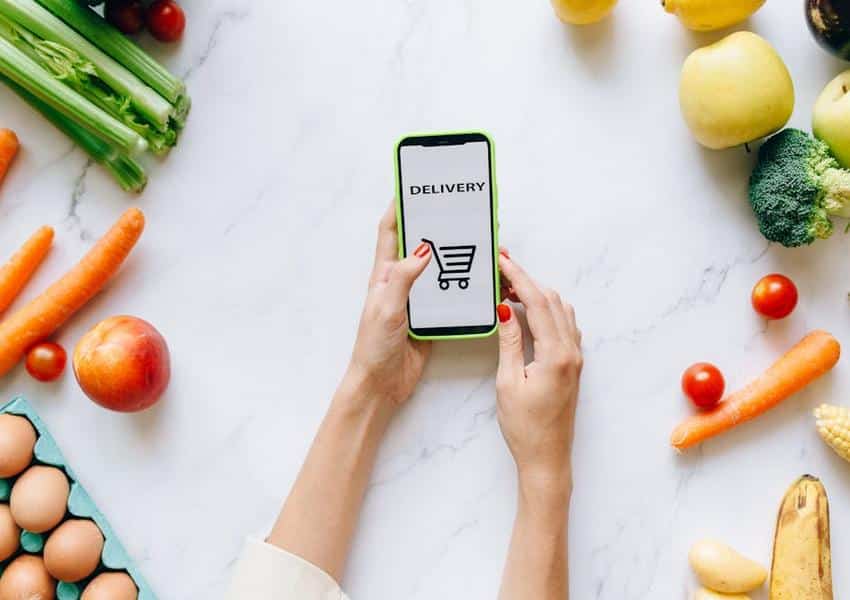
#11: Take Advantage of Loyalty Programs and Coupons
Many grocers now offer digital coupons, member-exclusive pricing, or loyalty points. Sign up for these programs and use store apps to save extra dollars every trip.
#12: Shop Sales—and Stock Up Wisely
Review weekly flyers, apps, or email alerts for sales on items you regularly buy. Stock up on non-perishables or freezer-friendly foods when prices are lowest, but only what you’ll truly use.
#13: Buy in Bulk (When It Makes Sense)
Buying in larger quantities can mean serious savings for items you use often—think rice, beans, flour, or even meat. Store items properly to prevent spoilage, and always compare prices before committing to super-sized versions. Our guide on how to save money on meat shares more ways to get the most from bulk buys.
#14: Opt for Frozen Fruits and Vegetables
Frozen produce offers the same nutrition as fresh but typically costs much less and keeps for months. They’re great in smoothies, soups, stir-fries, and more, with zero fear of spoilage.
#15: Don’t Overlook Canned Goods
Canned foods like beans, tomatoes, tuna, and corn are long-lasting and highly affordable. Keep a variety on hand as budget-friendly pantry staples that can star in countless recipes.
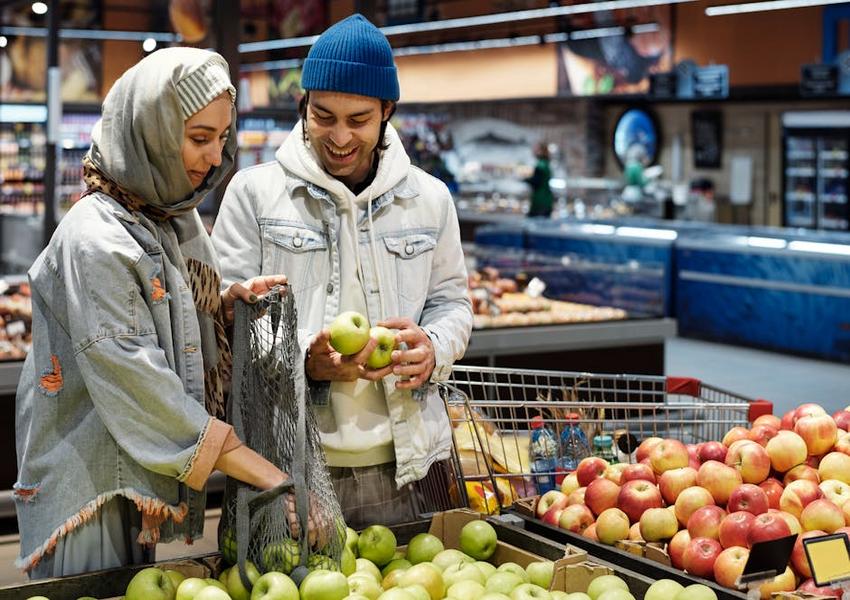
#16: Shop Seasonally and Locally When Possible
Produce in-season is not only fresher but also less expensive. Visit farmers’ markets or local CSAs (Community Supported Agriculture) for great deals and to support your community. Learn more at the USDA’s farmers market finder.
#17: Limit Processed Convenience Foods
Convenience comes at a premium. Pre-cut veggies, ready-made meals, and snack packs cost much more per portion. Whenever possible, buy whole ingredients and do the prep at home—you’ll save big over time.
#18: Calculate Price by Serving
Think about the cost of foods based on the number of servings you’ll get, not just the sticker price. This helps you spot real value and prioritize affordable, filling options.
#19: Use Cash-Back and Rebate Apps
Apps like Ibotta, Fetch, or Rakuten reward you for uploading receipts or making certain purchases. A little bit adds up over the year—just don’t let rebates tempt you into unneeded spending. The Consumer Reports guide on cash-back apps is a great resource for more info.
#20: Get Creative with Leftovers
Transform last night’s dinner into something new: grains and veggies become grain bowls, roasted chicken powers up a salad, and stale bread delivers crispy croutons. This minimizes both waste and spending.
#21: Shop Alone for Maximum Efficiency
If you shop with kids or other family, you’re more likely to add impulse items. Going solo helps you stay focused on your list and your grocery budget.
#22: Don’t Forget Nutrition on a Budget
Eating healthy doesn’t have to cost more. Cheap staples like beans, lentils, oats, bananas, and carrots offer major nutrition for less. Don’t miss our detailed post on how to eat healthy on a budget for more tips.
#23: Track Your Spending and Learn Over Time
Use receipts, a budgeting app, or a simple notebook to review grocery spending. You’ll learn where your money goes, identify savings opportunities, and refine your budget over time.
Smart Shopping Doesn’t End at the Checkout
Store Food Properly to Reduce Waste
Proper storage significantly extends the life of your groceries. Keep produce in the right fridge drawers, freeze bread and meat, and look up storage tips at StillTasty to maximize every purchase.
Cook More, Eat Out Less
The more meals you cook at home, the more control you have over what you spend and eat. Simple recipes, one-pot meals, and slow-cooker dishes all contribute to your savings. For more guidance, see our favorite 7 clever ways how to save money on groceries through meal planning and at-home cooking.
Evaluate Subscriptions and Delivery Services
While grocery delivery can save time, the convenience often comes with fees and markups. If you use these services, compare final prices and take advantage of “pickup” or budget options wherever possible.
Don’t Abandon Your Budget During Holidays or Special Occasions
Stay mindful of your budget even for celebrations. Plan those meals carefully—potlucks, bulk dishes, and homemade desserts keep festivities affordable and memorable.
Frequently Asked Questions About Grocery Shopping on a Budget
How can I save money on grocery shopping without sacrificing nutrition?
Focus on affordable, nutrient-dense foods such as beans, eggs, oats, carrots, potatoes, and in-season produce. Shop sales, plan meals, and limit processed snacks. Our guide to eating healthy on a budget is packed with practical strategies.
Are discount or dollar stores good for grocery shopping?
Many dollar stores offer pantry staples, canned goods, or frozen vegetables at lower prices. Always check unit prices and expiration dates, but they can be a great resource for stretchers in your grocery budget.
Where can I find the best grocery deals?
Compare grocery flyers, store apps, local markets, discount grocers, and ethnic stores. Explore bulk warehouses, farmers’ markets, and loyalty app offers to maximize value. Check out Smart shopping tips from Taste of Home for more sources.
How do I stop making impulse purchases?
Shop with a list, don’t shop hungry, and stick to the outer aisles of the store. Only visit middle aisles for planned items, and consider paying in cash to reduce temptation.
How does meal prepping help save money?
Meal prepping prevents last-minute takeout or processed convenience buys. It uses up ingredients efficiently and helps stick to a grocery budget by reducing waste and unexpected meals out.
Conclusion: Start Transforming Your Grocery Shopping Today
Mastering grocery shopping on a budget is a journey, not a one-time event. By applying the 23 Smart Grocery Shopping on a Budget Tips covered here, you’ll make your trips to the store less stressful, more efficient, and—most importantly—far more affordable. From strategic meal planning and buying bulk when it makes sense, to emphasizing nutrition and wasting less, each step builds positive long-term habits.
Remember, every household is different, so take the tips that fit your lifestyle and gradually implement them for lasting savings. Explore related guides, such as how to eat healthy on a budget, how to save money on groceries, and how to save money on meat for even more practical strategies.
With commitment and the right approach, you can provide nutritious meals for your family while sticking firmly to your budget. For additional food budgeting resources, check out the SNAP-Ed meal planning site or MyPlate Budget resources. Your wallet—and your family—will thank you!